


The decline of these apps serves as a reminder that the app ecosystem is highly dynamic.
As 2023 draws to a close, let’s take a nostalgic stroll down memory lane and revisit some of the apps that captured our hearts, stirred our curiosity and then…poof! They were gone. From the adrenaline rush of random video chats on Omegle to the social networking frenzy of IRL, join us on a journey back through the apps that had us hooked, for a while at least.
Omegle: Legal troubles and user safety concerns

This is arguably one of the most shocking developments of the year. In November 2023, the 14-year-old anonymous video-chat platform Omegle faced its demise due to the growing misuse of the platform, including serious criminal activities.
Launched in 2009, Omegle swiftly rose to fame as a popular online destination for connecting with strangers. During the 2020 Covid lockdowns, with many feeling bored at home, the platform experienced a surge in popularity for its unique live camera interaction model.
Initially lauded for its potential to bridge cultural gaps, the platform unfortunately became a hub for sexual predators exploiting minors. A pivotal moment came in 2021 when Omegle found itself embroiled in a high-profile lawsuit. The case accused the platform of facilitating the connection between an 11-year-old girl and a sexual predator. This led to a US$22 million settlement and the eventual closure of the platform as part of the legal resolution.
In 2022, the extent of the issue became evident, with a staggering 608,601 reports of child exploitation on Omegle reported to the nonprofit National Center for Missing and Exploited Children’s CyberTipline, revealing the dark underside of this once-popular platform.
IRL: Unveiling bot accounts and ethical challenges

In June 2023, the social networking world was rocked by the unexpected shutdown of IRL (In Real Life), a messaging app previously valued at an impressive US$1.17 billion. This abrupt closure became the center of media attention following an internal investigation by IRL’s board of directors: a staggering 95% of the app’s users were automated accounts or bots.
The seeds of IRL’s downfall were sown with allegations of sexual misconduct against its CEO and co-founder, Abraham Shafi, leading to his suspension in April 2023. A comprehensive internal investigation that followed revealed that the app had significantly inflated its user numbers and advertising revenue by incorporating bots and fraudulent accounts into its metrics. This revelation about the app’s deceptive practices severely undermined the app’s credibility. As a result, many shareholders began to cast doubt on the company’s future viability and operational ethical standing.
Launched in 2019, IRL initially set out with a noble mission: to foster authentic connections among individuals with shared interests, offering platforms for event organization and engaging chat functionalities. Unfortunately, the company’s promising journey was cut short, leaving a legacy tarnished by controversy and unfulfilled potential.
Mint App: Intuit’s strategic shift and user impact
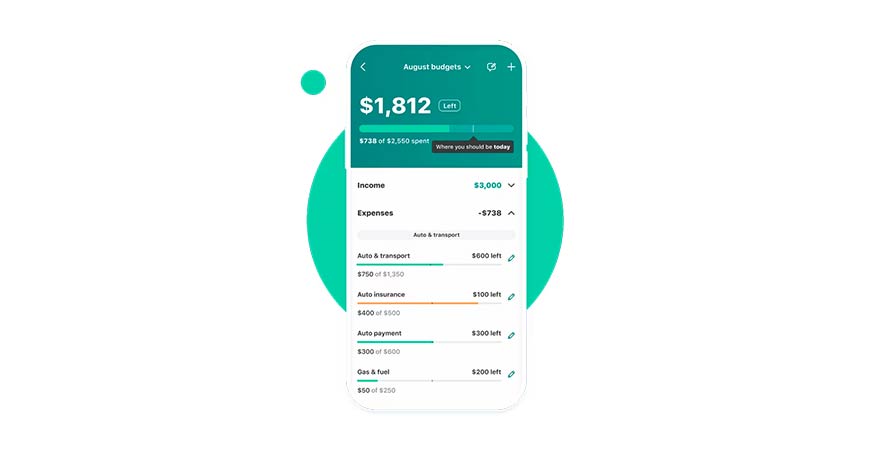
In October 2023, Intuit surprised the personal finance community. They announced the shutdown of Mint, their acclaimed budget-tracking app, effective January 1, 2024. Mint, acquired by Intuit in 2009, had earned praise for its user-friendly personal finance tools. It offered free services for managing budgets, tracking expenses and overseeing bills.
The decision to sunset Mint is part of Intuit’s strategic realignment towards Credit Karma. Credit Karma is a platform that offers a wider range of features but lacks Mint’s specialized budgeting tools. As a result, concerns have emerged among Mint’s extensive user base. They worry about the loss of specific budgeting functionalities and the transition to other platforms. Users are encouraged to migrate to Credit Karma or explore other budgeting tools before the shutdown.
Mint’s closure is more than just a disruption for its users; it reflects broader shifts in the personal finance tool industry. The situation underscores how free platforms struggle to maintain their business models amid changing market dynamics and the ongoing need for tech innovation.
Apollo: Reddit’s API policy change and its effects
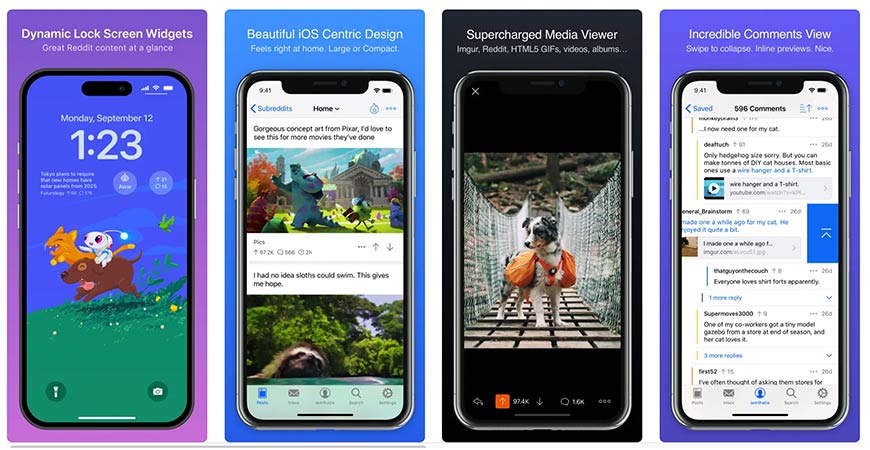
June 2023 witnessed the unexpected closure of Apollo, a popular third-party Reddit app. This decision resulted from Reddit’s new API policy, which switched from free to paid access. Essentially, Reddit moved from offering free API access to charging for it. For Apollo, this change meant facing an exorbitant yearly cost of about US$20 million, which was far too steep for the app to handle.
But it wasn’t just about money. The situation between Apollo’s creator, Christian Selig, and Reddit grew tense. As per Selig, there had been misunderstandings and disputes over the API changes and their implications, which further drove the decision to close Apollo. Selig expressed his frustrations, particularly over how his remarks were misinterpreted by Reddit, contributing to a strained relationship.
Apollo’s shutdown highlights the vulnerability of third-party apps to policy shifts by larger platforms. Apollo, with its user-friendly interface and unique features, had carved out a niche among Reddit’s community. Its closure marked a notable moment in the Reddit community, met with backlash and protests over the API policy changes.
Zili: Geopolitical issues and market changes

Zili, Xiaomi’s venture into the short-form video arena, became a casualty of India’s national security concerns, leading to its shutdown in February 2023. Launched in 2018, Zili saw a significant increase in downloads in India, especially after the Indian government banned TikTok in June 2020.
As per app analytics firm Sensor Tower, the app notched up three million installations within three weeks preceding the TikTok ban. This figure surged to eight million in the subsequent weeks. The app’s pre-installation on recent Xiaomi phones also contributed to its rapid user growth.
However, by March 2023, Zili’s journey came to an abrupt halt. Users were informed of the app’s cessation due to “operational adjustment”, though the announcement left many questions unanswered. In the lead-up to its shutdown, Zili encouraged its users to download and save their content offline and redeem any accumulated Z-Points for rewards, marking the end of its brief but impactful presence in the digital video space.
Tiki: Market struggles and regulatory challenges

Tiki, another TikTok rival, ended its services in India, its only operational market, in June 2023. The app, operated by Singapore-based DOL Technologies, had swiftly entered the Indian market following the country’s ban on TikTok.
In a statement released on its social media platforms, Tiki acknowledged the closure with a sense of regret, acknowledging the challenges within the tech industry. The app’s decline is surprising, considering it sustained approximately 35 million monthly active users in India, as reported by Sensor Tower.
Factors contributing to Tiki’s unexpected shutdown included a relatively low number of daily active users and limited monetization options. Additionally, governmental actions against Chinese-affiliated apps were believed to play a significant role in its closure. Industry insiders, as reported by TechCrunch, further speculated about Tiki’s connection to a Chinese app previously banned by Indian authorities, suggesting this affiliation may have influenced the decision to close.
Gas: Discord’s acquisition and operational decisions

Discord’s foray into the social app space with Gas, an anonymous compliment app, experienced a brief yet notable stint. Acquired in January 2023, Gas’s journey under Discord’s wing came to an end by November of the same year.
As per an internal memo reported by The Information, the shutdown was not entirely unexpected. Discord CEO Jason Citron revealed to employees that the primary motive behind the company’s acquisition of Gas was to access its engineering talent. Citron noted that while they intended to maintain Gas as long as it was growing, the plan was to phase it out once signs of growth deceleration emerged.
Gas, which was launched in August 2022, became a hit among teenagers, thanks to its unique take on social networking. Within two months of its launch, the app had attracted one million daily active users, outranking even TikTok and other heavyweights in Apple’s App Store rankings. Despite this initial surge, Gas’s growth trajectory began to dip over time, leading to its eventual discontinuation.
Wrapping up: Adapting to staying relevant
These stories serve as crucial reminders that even the most popular and influential apps can experience a decline in relevance as technology advances and user preferences shift. For developers and platforms, to stay aligned with evolving user expectations, they must embrace innovation and adapt to these changes. Understanding the reasons behind these declines provides valuable insights into user expectations, emerging trends and areas for improvement.
Also read:
- Popular Startups That Witnessed a Downfall in 2022
- Top 5 Failed Facebook Feats
- 4 Weirdest Failed Startups That You Should Know About
Header image courtesy of Pexels