


Making AI solutions more accessible is key to helping farmers address modern agriculture challenges.
Artificial intelligence (AI) is a powerful tool that can help farmers improve their productivity, efficiency and sustainability. AI can analyze large amounts of data, such as weather, soil, crop and market information, and provide insights and recommendations for optimal farming practices. AI can also automate tasks, such as irrigation, pest control and harvesting, and reduce labor costs and human errors.
However, AI is not a magic solution that can solve all the problems of small-scale farmers. There are a number of challenges and barriers that prevent them from accessing and benefiting from AI technologies. This article delves into these challenges and explores how startups and AI solution developers are assisting farmers in overcoming them.
Lack of data
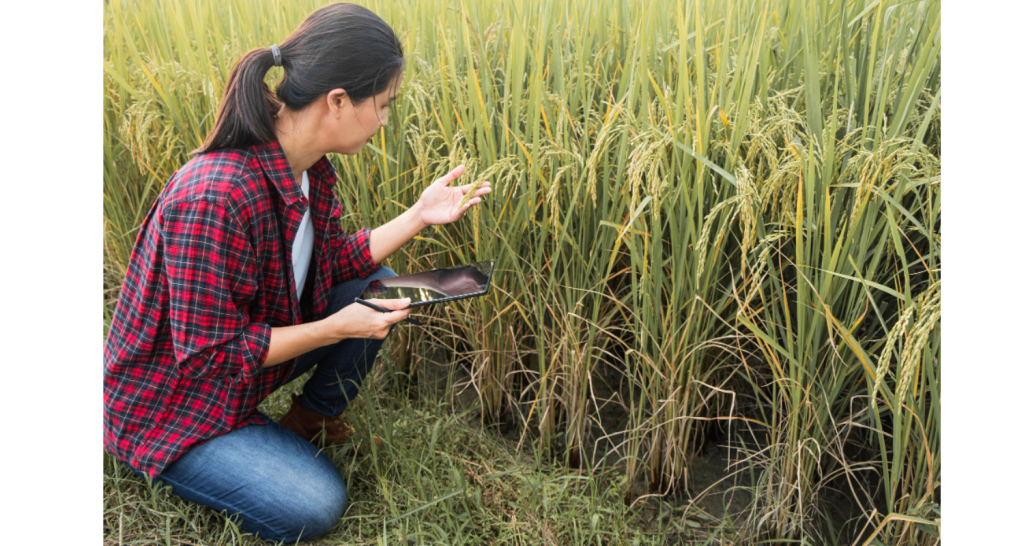
Image via Freepik
AI’s effectiveness hinges on data. However, many small-scale farmers do not have access to reliable and relevant data sources, such as sensors, satellites, drones or smartphones. They may also lack the skills and knowledge to collect, store and analyze data. Without data, AI cannot provide accurate and useful information for farmers. For example, a farmer who wants to use AI to predict the best time to plant maize may not have enough historical data on rainfall, temperature and soil moisture to train the AI model.
Lack of infrastructure
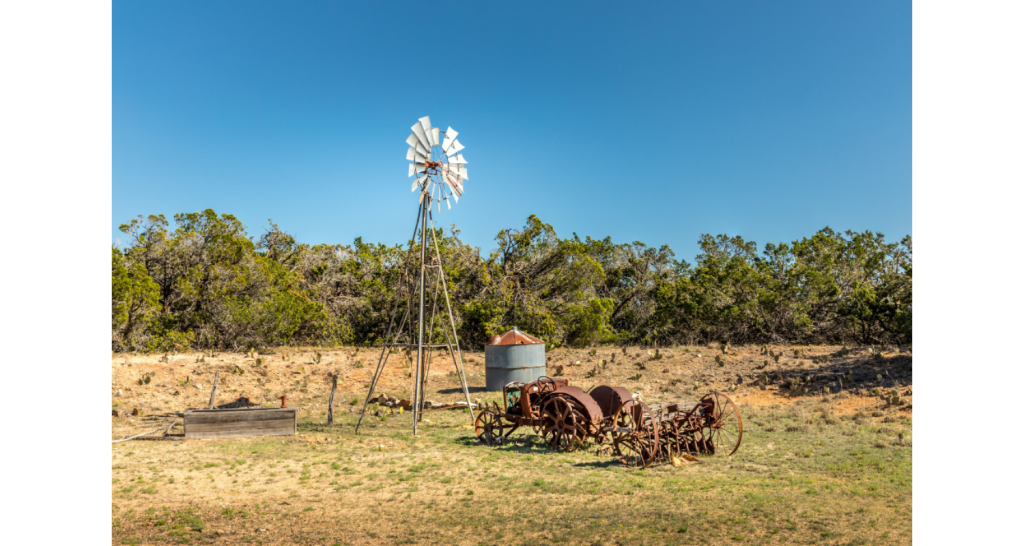
Image via Freepik
AI requires infrastructure, such as internet connectivity, cloud computing and electricity, to function properly. However, many small-scale farmers live in remote and rural areas where these infrastructures are scarce or unreliable. They may also face high costs and technical difficulties in accessing and maintaining this infrastructure. Without infrastructure, AI cannot communicate and deliver its services to farmers.
Lack of trust

Image via Freepik
AI is a complex and opaque technology that can be difficult to understand and explain. Many small-scale farmers may not trust the results and recommendations of AI, especially if they contradict their traditional knowledge and practices. They may also fear that AI will replace their jobs or harm their livelihoods. Without trust, AI cannot gain acceptance and adoption from farmers.
Lack of regulation
Image via Freepik
AI is a fast-evolving and disruptive technology that can have positive and negative impacts on society and the environment. However, many countries do not have adequate laws and policies to regulate the development and use of AI in agriculture. They may also need more capacity and resources to monitor and enforce these regulations. AI can pose ethical, legal and social risks for farmers without regulation.
Ways to help farmers integrate AI into their operations
Overcoming these challenges is certainly feasible. Numerous initiatives and innovations are actively working towards surmounting these obstacles. The ultimate goal is to enhance AI accessibility and maximize its benefits for small-scale farmers. Let’s look at how this is being achieved.
Data-sharing platforms

Image by FarmBeats
These platforms enable farmers to share their data with other stakeholders, such as researchers, extension agents or agribusinesses, in exchange for information and services. They also ensure that the data is protected and used fairly and transparently. For example, FarmBeats is a platform that uses low-cost sensors and drones to collect data from farms and share it with cloud-based AI services that provide insights on soil health, crop yield and water management.
Low-cost devices

Image by Plant Village Nurru via Google Play Store
These devices use low-power and low-bandwidth technologies, such as edge computing or mesh networks, to enable farmers to access and use AI without relying on expensive and unreliable infrastructure. For example, PlantVillage Nuru is an app that uses offline image recognition to help farmers identify pests and diseases on their crops using their smartphones.
Human-centered design
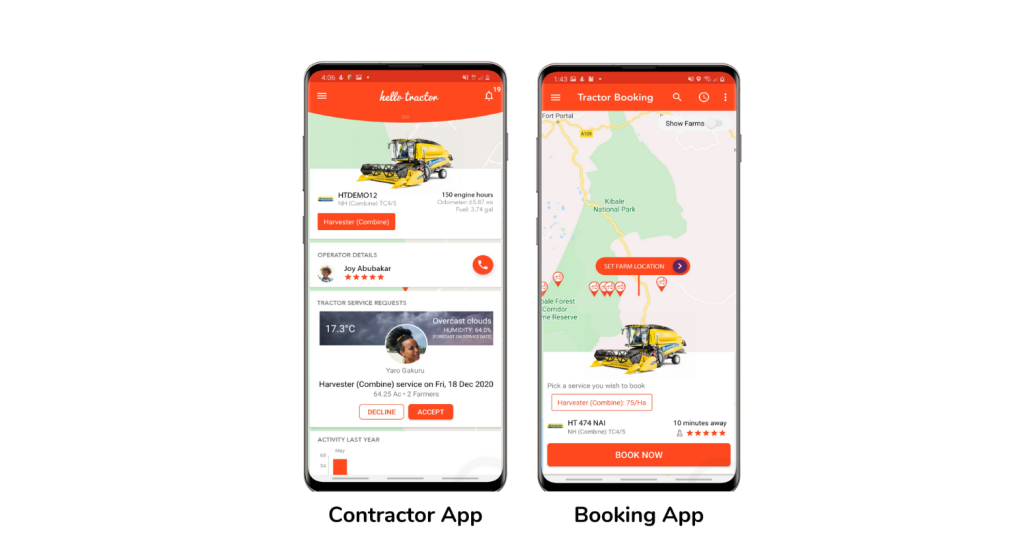
Image by Hello Tractor
This approach involves co-creating AI solutions with farmers to ensure that they meet their needs and preferences. It also entails providing training and education to help farmers understand and use AI effectively. For example, Hello Tractor is a service that connects farmers with tractor owners who use GPS-enabled devices to monitor their machines’ location, fuel level and usage. The service helps farmers access affordable mechanization while helping tractor owners optimize their operations.
Responsible governance
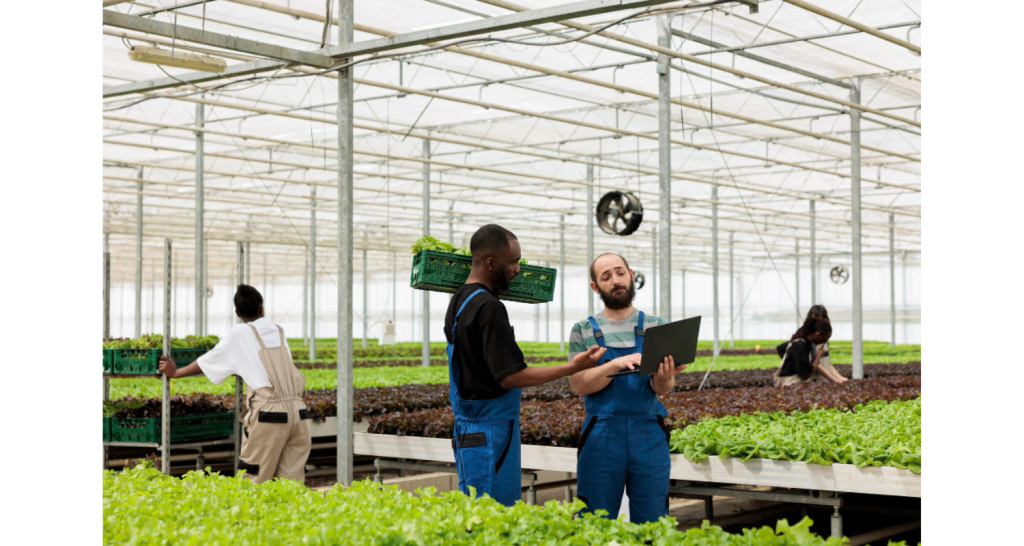
Image via Freepik
This framework includes developing and implementing ethical principles and standards for AI in agriculture. Moreover, engaging with diverse stakeholders, such as civil society, academia or international organizations, is also crucial to ensure that AI is aligned with human rights and sustainable development goals. For example, “The Montreal Declaration for Responsible Development of Artificial Intelligence” is a set of ten principles that guide the ethical development of AI in various domains, including agriculture.
In conclusion, AI has the potential to transform agriculture and empower small-scale farmers. However, it also faces many challenges that need to be addressed. By working together, we can ensure that AI is a force for good in the agricultural sector.
Also read:
- Solving for Impact: Komaza’s Farming Innovation Model
- CropIn is Using AI and ML to make Farming Efficient
- [Press Release] Rimba Raya’s Sustainable Peatland Farmer Field School
Header Image Courtesy of Freepik