


ASMR is not just a whisper in the ear but a shout-out to wellness.
Imagine the rhythmic tapping of nails on a table gently tickling your ear or the soft rustle of paper sending shivers down your spine. Maybe it’s a story, whispered ever so gently, that lulls you into a deep state of relaxation. These sensations are known as autonomous sensory meridian responses, or ASMR, where everyday sounds transform into stimuli that trigger soothing, relaxing sensations.
For over a decade, ASMR videos have piqued people’s interest, becoming one of the most trending topics on Google Trends. From gentle whispers to the strokes of a paintbrush, from the crunch of biting into crispy food to the sounds of unboxing, these videos tap into our auditory senses in unique ways. These sounds can cause a tingling sensation that spreads across the skin and evoke a euphoric feeling. Previously dubbed “brain tingles” or “brain orgasms”, these sensations are now widely known as ASMR, a term coined by cybersecurity professional Jennifer Allen.
But did you know that the impact of ASMR goes way beyond mere entertainment? It’s also emerging as a potential therapeutic tool for conditions like ADHD and symptoms of autism. Before we explore how ASMR might serve as a therapeutic intervention for mental health conditions, let’s delve into the science behind how it taps into our brains to unlock those feel-good sensations.
The science behind why we love ASMR videos
Triggering the release of happy hormones
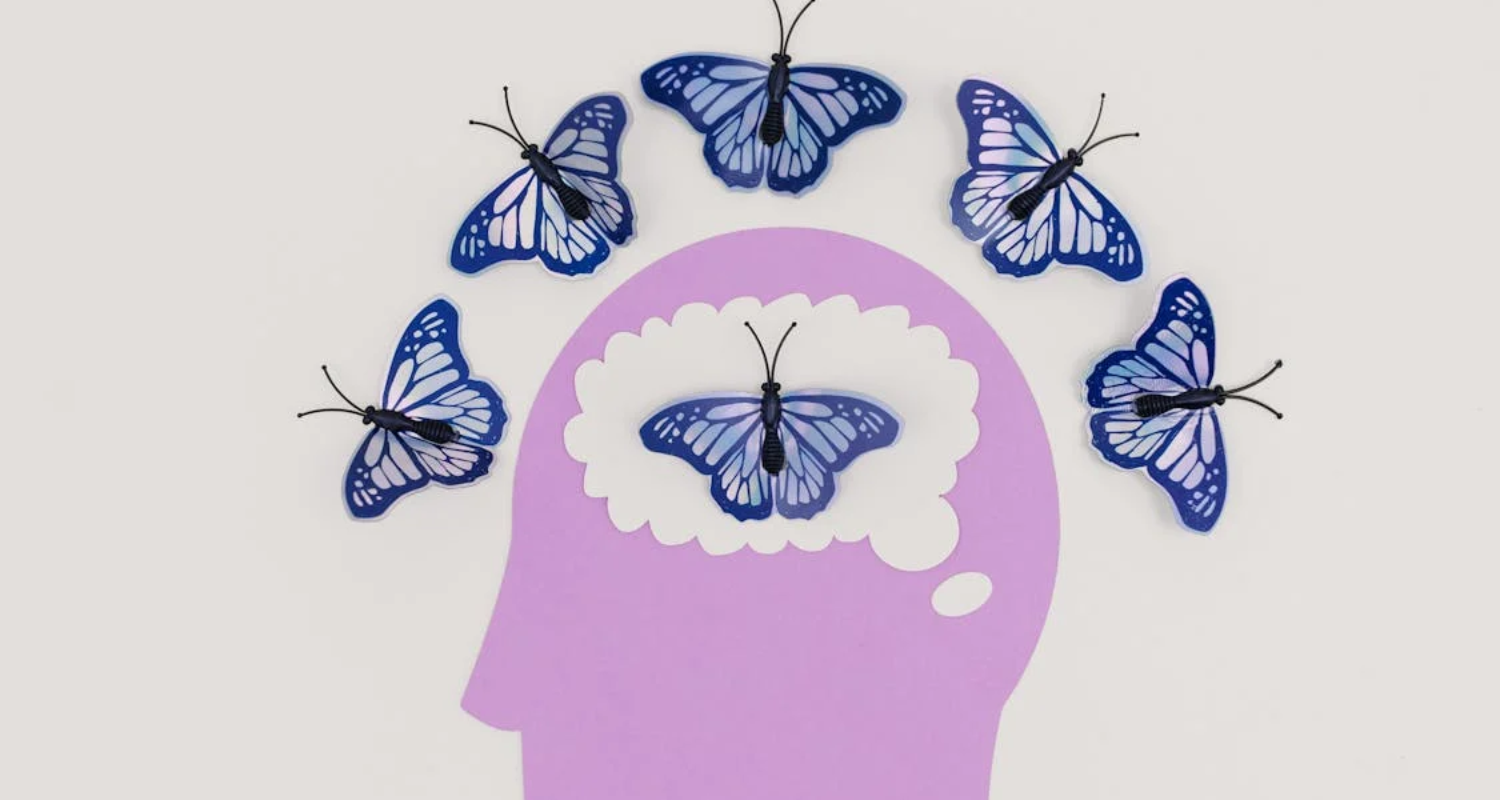
Image from Freepik
ASMR videos are like a brain massage. When scientists examined the brain’s state using magnetic resonance imaging (MRI) scans while exposed to ASMR stimuli, they noticed that parts of the brain associated with reward and affection light up—similar to what happens during social bonding and grooming activities. It is likely that the release of happy hormones like dopamine and oxytocin is triggered when watching ASMR videos, causing the feeling of pleasure and calmness.
This can create a cycle of positivity, making you want to dive back into these videos repeatedly to re-experience the comforting sensations.
Improving your sleep

Image from Freepik
Experts believe that ASMR could promote better sleep by fostering deep relaxation. A study found that ASMR audio alone, without visuals, can elevate feelings of relaxation. Additionally, studies show that 82% of people who watch ASMR videos before bed find it easier to fall asleep effortlessly.
During the rapid eye movement (REM) sleep stage—a phase critical for dreaming—the auditory and visual signals in the thalamus part of the brain are activated, which usually lies dormant during other sleep stages. ASMR content might stimulate this area, potentially inducing deeper, more restorative sleep.
A heart-healthy habit

Image from Freepik
Maintaining a heart rate of around 90 beats per minute is often recommended for good cardiovascular health. Interestingly, research conducted by the University of Sheffield’s Department of Psychology found that individuals watching ASMR videos experienced heart rates that were, on average, 3.14 beats per minute lower than those not exposed to ASMR videos. Comparable to the calming effects of meditation and yoga, ASMR also promotes slower breathing, leading to reduced stress and a happier heart.
ASMR’s therapeutic potential
The benefits of ASMR extends well beyond relaxation and stress relief; it may also offer new ways to support individuals with neurodevelopmental disorders and mental health conditions.
Autism support through ASMR
Behavioral challenges such as tantrums, yelling, injuring themselves and social withdrawal are common among children with autism. These children and teens are reportedly four times more likely to struggle with emotional regulation compared to their peers. Moreover, researchers suggest that high levels of anxiety and depression in people with autism may be linked to these irregular emotional patterns.
Here, ASMR shows potential as a therapeutic tool. By triggering gentle tingling sensations along the scalp and spine, ASMR can foster a calming effect, helping to soothe and stabilize emotions. This can be particularly beneficial during meltdown phases, where individuals with autism may feel overwhelmed and cannot control their behavior. ASMR could serve as a calming influence, helping to redirect disruptive behavior and promote a sense of peace, thereby enhancing emotional well-being.
However, it’s important to consider individual sensitivities; some with autism might find the auditory stimuli of ASMR to be too intense. For those with phonophobia—an acute fear of certain sounds—the sensory input from ASMR might be more jarring than soothing. Despite this, ASMR holds promise as a gentle, non-invasive approach to emotional regulation for many.
ADHD
For those with attention-deficit hyperactivity disorder (ADHD), ASMR could be a boon. Individuals with ADHD often struggle with maintaining attention and managing hyperactive behaviors. ASMR can act as a soothing presence, reducing the need for constant movement and promoting calmness and emotional regulation.
Moreover, engaging with ASMR might enhance concentration and focus. Studies have suggested that structured meditation and relaxation sessions, inspired by ASMR techniques, could significantly alleviate stress and anxiety—key challenges for those with ADHD.
Looking ahead: ASMR in healthcare
While more research is needed to fully understand ASMR’s role in healthcare, the potential is intriguing. ASMR has not only captivated viewers on social media but also opened new doors for non-invasive therapy options in medical settings. It’s exciting to consider how medical professionals might leverage ASMR in the future to enhance therapeutic practices.
Also read:
- From Spotify Wrapped to Tinder Swipes: The Trends that Dominated 2023
- 7 Must-Have Tools for Social Media Managers in 2022
- How to Use Social Media to Drive Real Estate Sales
- What Is Social Media Doing to Our Brains?
Header Image from Freepik