

Explore the integration of medical technology in nursing, its impact on patient care and the rise of digital innovations.
Medicine is an ever-changing field. It’s a space where innovation can mean the difference between life and death, and this underscores the importance of adopting beneficial technologies that endeavor to make life easier for those in need of medical support. However, the flip side of this progress is a constant push and pull of training and adoption of these innovations by those who work in the field.
This is especially true for those in the field of nursing, with nurses being expected to maintain order across a large number of different circumstances and technologies at a moment’s notice. This, whilst also trying to provide care and comfort to those going through difficult medical circumstances, can be extremely difficult without the right training and background. As hospitals work to incentivize new nurses, and online nursing degrees and ABSN programs are more readily available, it has become clear that the way forward requires enhancing the digital literacy of the medical field as a whole.
So, what technologies have been making their way into the nursing space, and what does the future of medical care look like for those who are working within it?
How Nursing Tech Supports Patient Care
Before we get into the specifics, it’s important to first understand the role that nursing technology plays, and why it’s such an essential part of nursing’s past, present and future. We currently live in a time of increasing life expectancies, and as the population ages, so too do the medical needs of that population rise. Because of this, many technological advancements within the medical space aren’t just to improve care on an individual level but to make care more efficient and therefore accessible to a broader population.
Precision and Automation
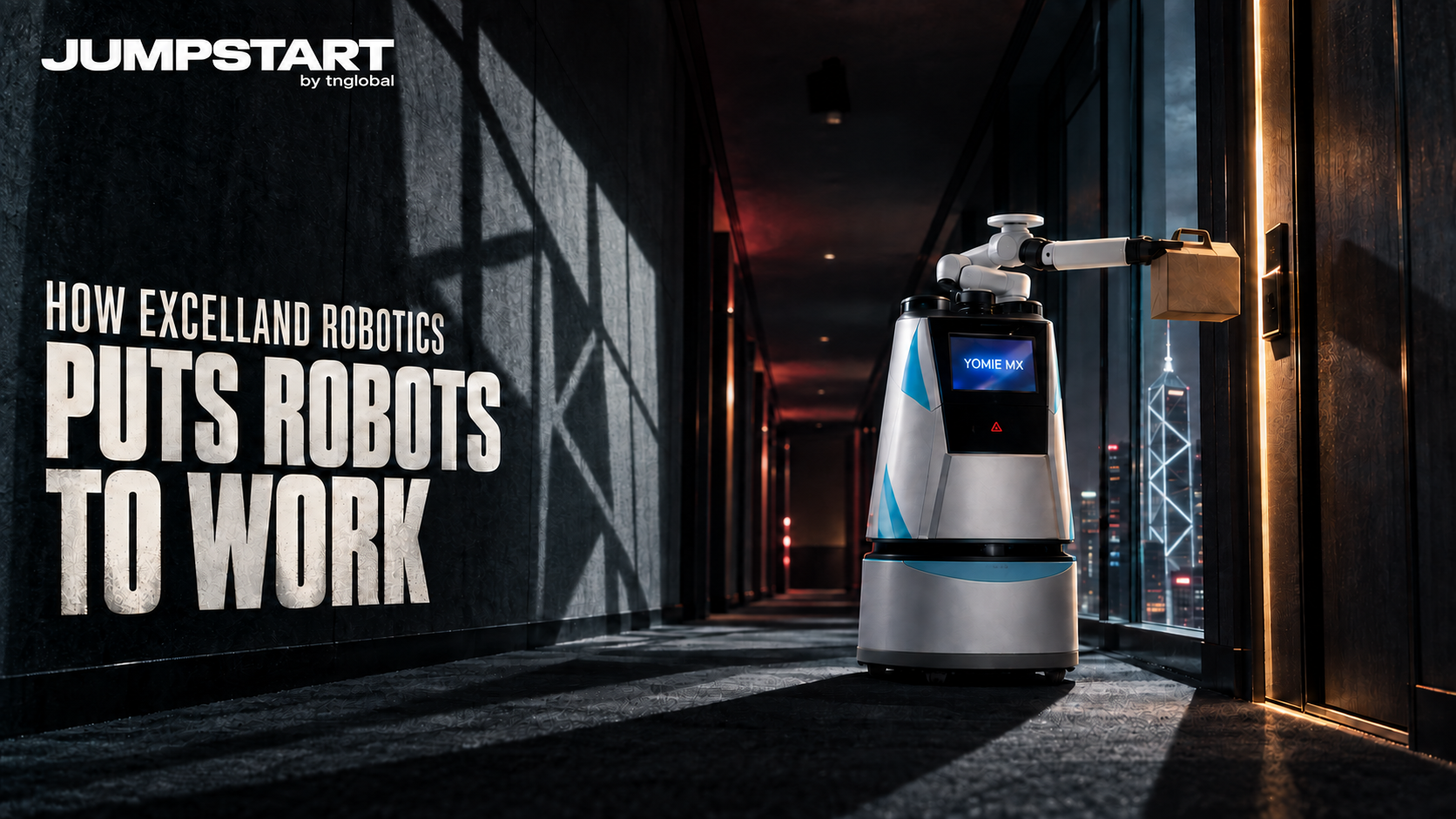
Additionally, during a time of nurse shortages, nurses require support to be able to provide the same high standard of care across quite a number of patients. This means that technologies that can automate or simply streamline basic tasks are always going to be embraced as these medical professionals focus on the parts of their role that are more requiring of their time and energy. This includes the automation of IV pumps and portable monitor technology that allows checking patient vitals during rounds without compromising the quality of care.
The Role of Care in Nursing
Whilst a considerable portion of nursing is dedicated to the provision of medical care itself, as with most patient-facing medical roles, much of the job is spent connecting with and supporting those under your care and their families. In other words, there are simply roles in the medical field that cannot be filled by technology. This is what technologies within the nursing field aim to strike a balance with—to facilitate more basic tasks through technology while letting human-to-human interactions take a front seat.
What Technologies Have Been Widely Adopted Within the Nursing Field?
Along with automated IV pumps and drips, there is a wide array of technological advancements that have been appearing over the past few decades which have now seen wide adoption within the nursing field. These include:
Electronic Healthcare Records
While the shift to electronic records may seem straightforward, it represents an enormous change within the healthcare industry. Suddenly, any designated medical support worker has access to vital information on a patient’s history from one centralized location. This means that EHRs can offer notes on any allergies, tests, medical notes and next steps required without delays that occur due to paperwork being passed around.
Smart Hospital Beds
With advancements in smart technology within the medical field, even beds can now provide vital information to nurses and doctors regarding a variety of stats and figures without requiring additional tests. This includes vitals, movement, weight and more, meaning that not only do nurses no longer have to perform multiple tests, but that data can now be collected in real time.
Centralized Hospital Command Centres
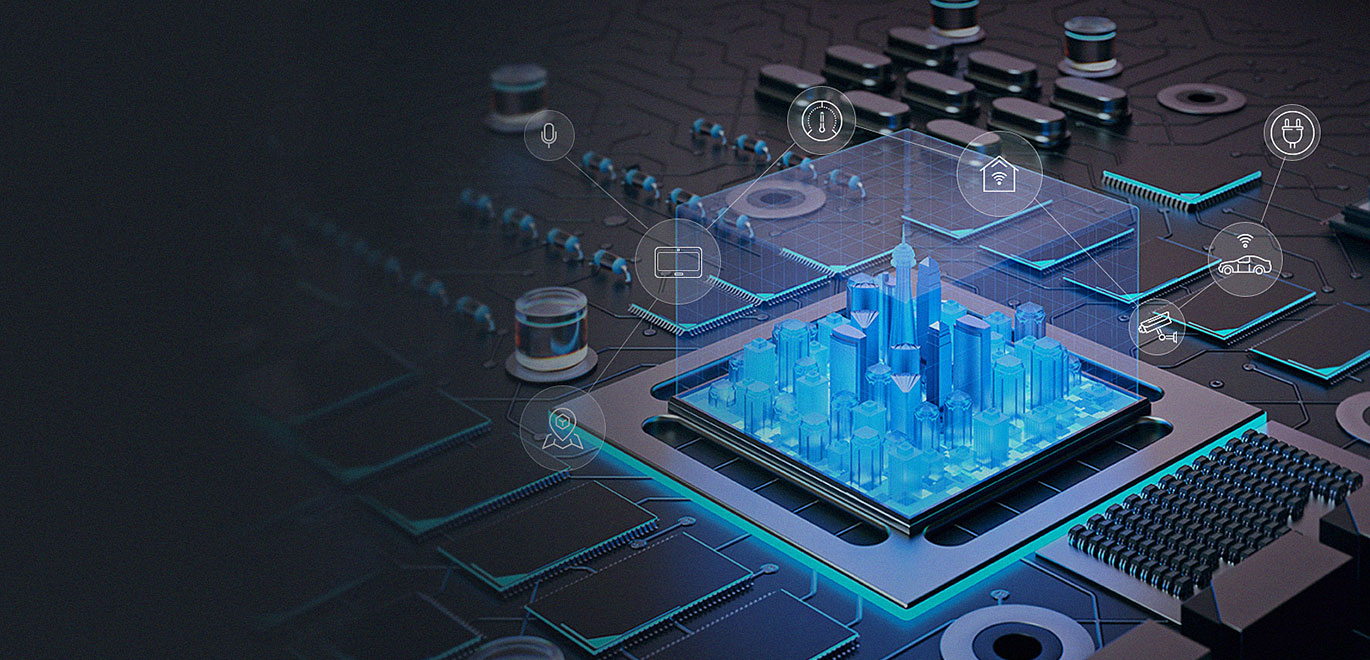
From AI to predictive analytical technology and more, centralized command centers (CCCs) are truly a futuristic look at the potential of more digitally-inclined hospitals and medical centers. With forms of the health system command center beginning to appear around 2016, these hubs support medical professionals in a number of ways that wouldn’t have been possible before.
Our perception of medical technology is often quite separated from how we look at the rest of the technological field. However, as new innovations rise and fall, the medical field is beginning to blend with a technology-driven view of the future more and more. Whilst this also comes with some of the tech industry’s major issues—exemplified by the Theranos scandal, where the company falsely promoted and secured funding for non-functional medical technology—it has also spurred significant innovation and enhanced the efficacy of hospital staff. Whatever the future holds, it seems likely that technology will be at the forefront, and it’s easy to see that this particular field has a lot more growth in its future.
Also read:
- The Fall of Theranos and Lessons for Startups
- How Is the Metaverse Changing the Medical field
- 3 Major HealthTech Trends in 2023
Header Image Courtesy of the Author