


Instead of throwing your phone down the river, you can tactfully tackle digital irritation!
University students today are constantly bombarded with demands on their attention. Especially as the semester races to a close, the flood of group texts about looming projects and the incessant stream of emails from professors about deadlines can become a source of overwhelming stress.
This relentless digital engagement often leads to a state many are all too familiar with: “digital burnout”. This condition, marked by chronic stress and exhaustion, is exacerbated by our always-on culture where we are constantly expected to give immediate response. This endless loop of tension has made true relaxation and disconnection a rare luxury.
Amidst this digital onslaught, mindfulness practice offers a way for students to adeptly manage the digital deluge. This article will explore seven straightforward yet powerful strategies for students to deal with stress and combat digital burnout, guiding them toward a more balanced and serene digital life.
- Embrace tech-free zones

Rediscover the joy of unplugged moments.
Image by Freepik
Constantly looking at the screen is exhausting not just for your eyes but also your brain. Establish specific periods, particularly before bedtime, as tech-free hours. Use this time to detach from screens, allowing your mind to unwind without the intrusion of notifications. You can indulge in a book or journal about your day. You can also plan for the following day with simple to-do lists. Without this pause, it’s all too easy to get caught in endless digital scrolling—a phenomenon called doomscrolling—losing track of time and disrupting your sleep schedule.
- Use app blockers

Reclaim your focus with app blockers.
Image by rawpixel.com on Freepik
Minimizing distractions is important when you are doing revisions or writing papers, especially when you have to use your laptop or smartphone. To do so, you can use app blockers to manage screen time and limit access to distracting apps and websites during study periods. These tools help create digital boundaries, preventing the lure of non-essential platforms like Instagram, TikTok or YouTube.
- Disable non-essential notifications
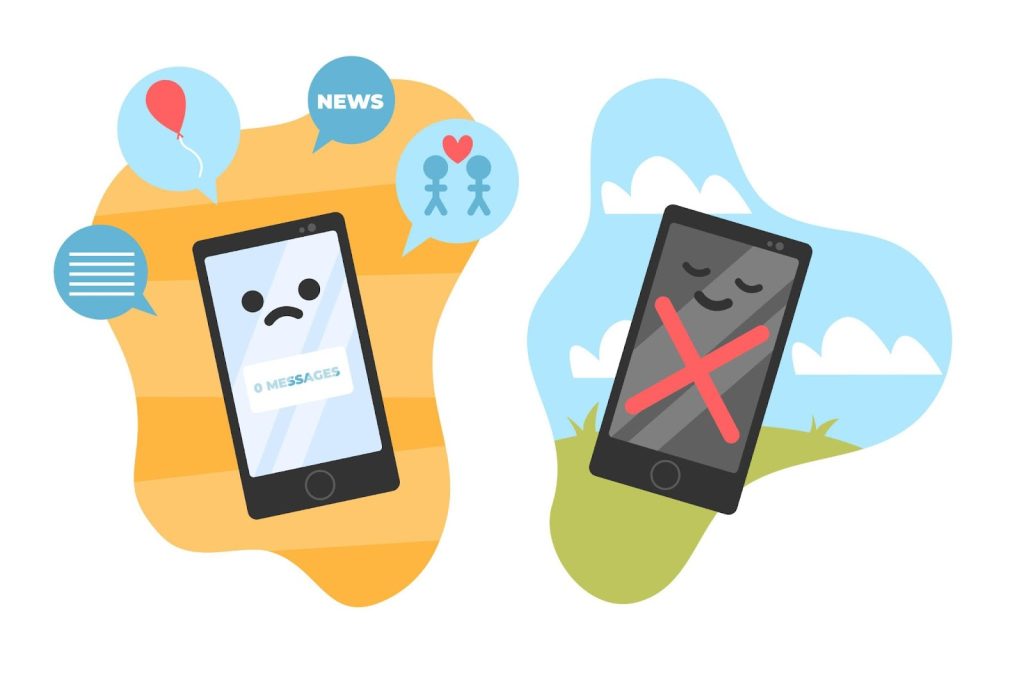
Embrace the tranquility of a notification-free zone.
Image by Freepik
If the notification pings and pop-ups are troubling you, take control by turning off non-essential alerts such as food delivery apps, shopping apps, games or streaming apps. By doing so, you can minimize interruptions and concentrate better. It creates a conducive environment for deep work, free from the stress of endless digital alerts.
- Connect with nature

Each step is a meditation; every rustle is a whisper from Earth.
Image by bristekjegor by Freepik
This one never misses—after spending hours and hours in classrooms and the library studying, and your brain starts getting foggy, go for a walk in nature. This helps you absorb all the free vitamin D you can, which helps regulate mood and reduce depression. Whether it’s a tranquil garden or a quiet park, nature offers a perfect setting for reflection and connection. Feel the grass under your feet, enjoy the soft wind blowing on your face, listen to birds chirping… enjoy all the sensory stimulation nature has to offer. You can even attempt a meditation exercise as you walk.
Leave your phone behind, inform loved ones of your temporary unavailability and immerse yourself in the natural world’s sounds.
- Practice brain dumping

A pathway to mental clarity.
Image by Freepik
When feeling overwhelmed, try brain dumping. This is essentially jotting down your thoughts on a blank paper. The act of transferring these mental concerns onto paper serves as a cognitive release, allowing you to externalize your worries. Especially beneficial before bedtime, mind dumping helps clear the mental clutter, facilitating a peaceful night’s sleep essential in combating burnout. Keep a dedicated notebook by your bed for easy access to this calming practice.
- Mindful eating

Savoring each bite, one moment at a time.
Image by senivpetro on Freepik
At its core, mindful eating is about taking the time to enjoy your meals with full awareness, appreciating the flavors, aroma, textures and the experience of eating. It can also help you avoid undereat or binge-eat.
Set aside specific times for meals without distractions, like checking emails and watching Netflix or YouTube videos. This approach helps enhance the overall enjoyment and fosters a deeper appreciation for food.
- Explore analog activities

Tangible rhythms of analog habits spark creativity, encourage presence and provide a haven away from the screen.
Image by rawpixel.com on Freepik
Analog activities allow you to connect to the presence and the tangible world. These include drawing, painting, writing or playing an instrument. The artistic journey of drawing and painting on paper stimulates your senses in ways that digital art may not replicate. Writing with actual pens encourages a slower, more thoughtful approach to self-expression, promoting mindfulness. Playing musical instruments demands full engagement and thus becomes a captivating escape from digital distractions.
Final thoughts
The digital age has undoubtedly brought many benefits to university students, but it has also posed significant challenges to their mental well-being. By integrating mindfulness practices like digital detox, engaging with nature, mind dumping, mindful meals and exploring analog hobbies, students can create a healthier relationship with technology. These strategies offer a guide through the digital maze, ensuring the tools meant for learning don’t become obstacles to our well-being.
Also read:
- Unplug to Recharge: Strategies for a Successful Digital Detox to Improve Mental Well-being
- Redefining Rest: How Companies Are Embracing Employee Unplugging Policies
- How To Practice Self-Care With a Busy Schedule
Header Image Courtesy of Pexels