
What does a robot mean to us? Today, the focus is often on utility—can it help with household chores? But before highly intelligent robots enter our homes, what products can bring that future closer?
Guanyang Wu, founder of Xiaogui Robot, sees an opening for products like these. Before personal computers became common in China, devices such as the Subor Learning Machine—roughly comparable to Nintendo Family BASIC—introduced families to digital technology.
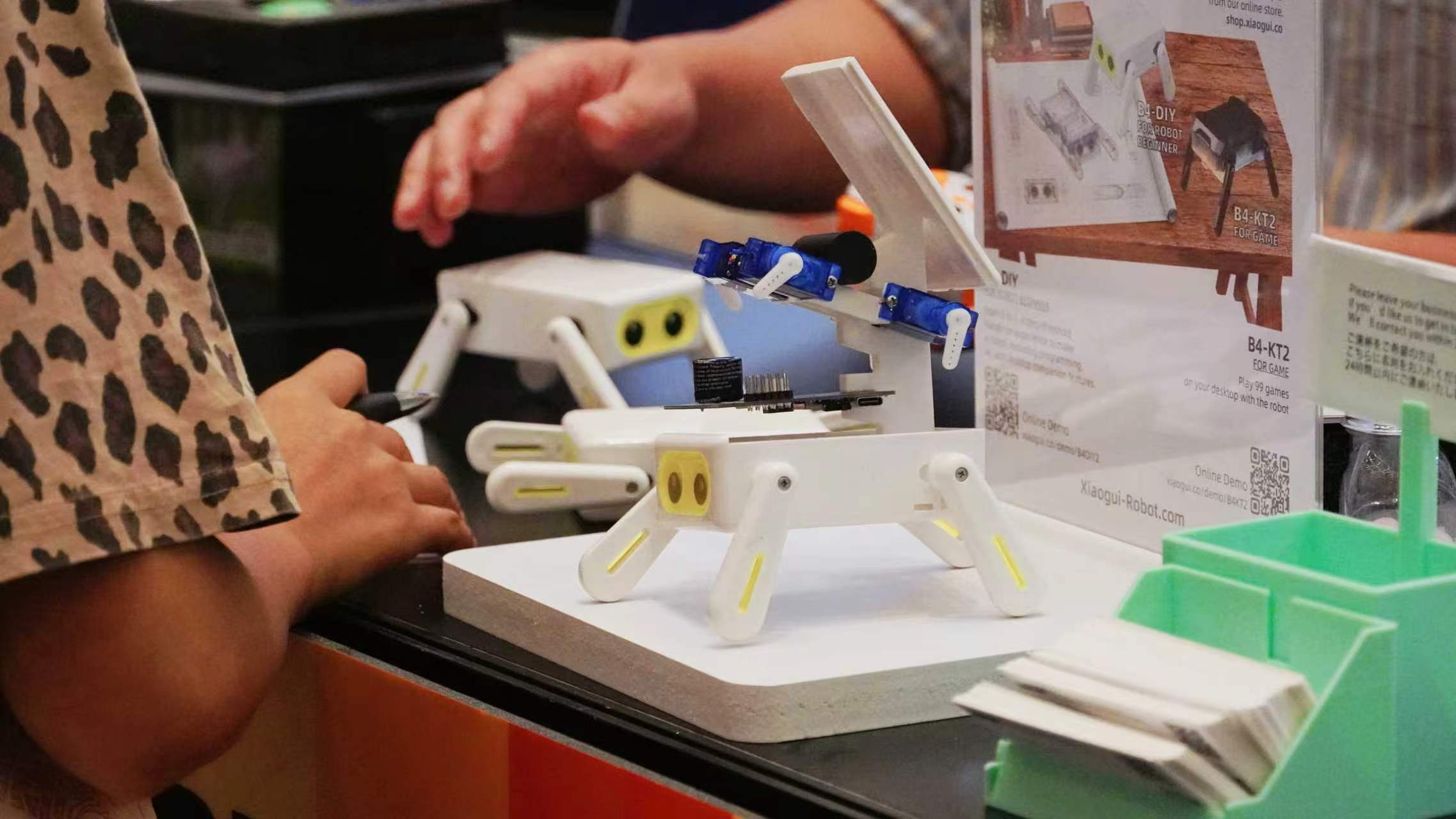
Similarly, Wu sees companion-style desktop robotic dogs as among the products that could familiarize users with robots before advanced home models arrive.
Making the Experience the Product
For Xiaogui Robot, the market begins with the “maker”: a hobbyist who enjoys making things, much like a runner, hiker or craft enthusiast.
“Maker is a hobby,” Wu said. “It is no different from running, hiking or swimming.”
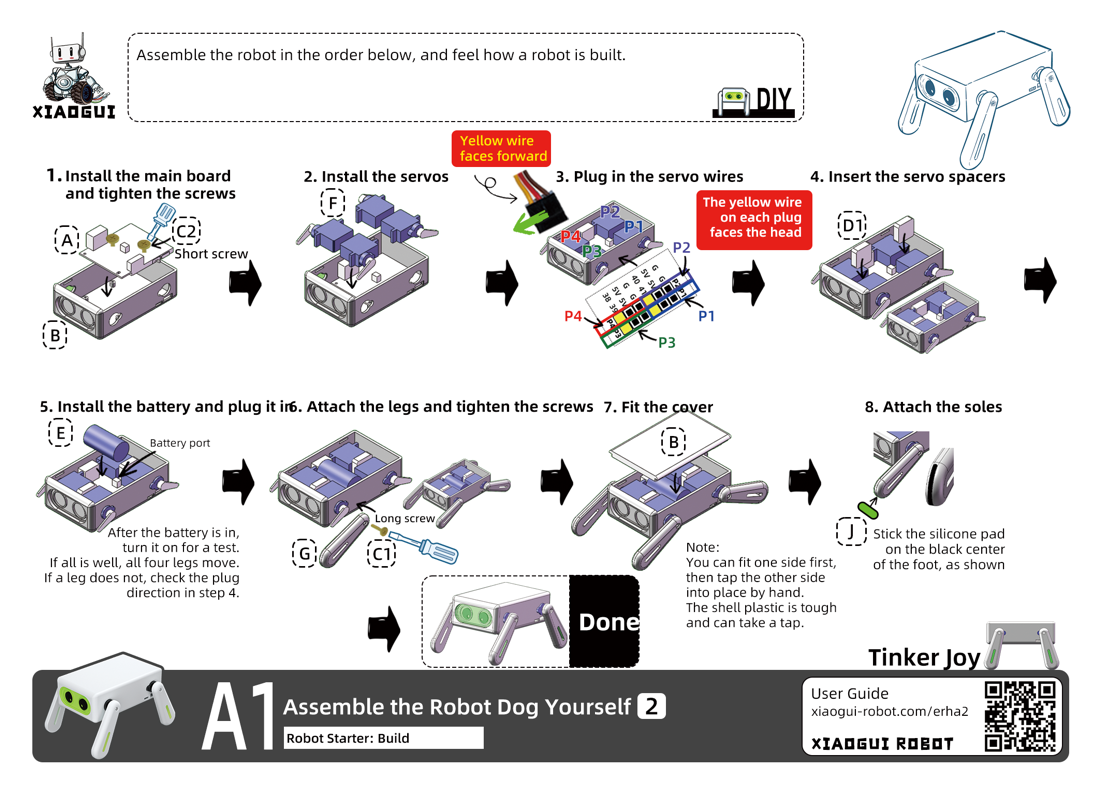
That idea shaped Xiaogui’s early kit, a board users could assemble into seven kinds of robots. The goal was to sell the experience of building a robot from scratch, rather than only the finished product.
Initially aimed at schools and students, Xiaogui found many committed users among adult hobbyists. It has carried that emphasis on hands-on engagement into its companion products, favouring playful physical interaction over AI conversation alone.
A Children’s Toy With an Adult Following
The company has developed no-code tools, including AI features, that let users create fun games through a game-like interface. Designed to be accessible to children, the format has also attracted adults.
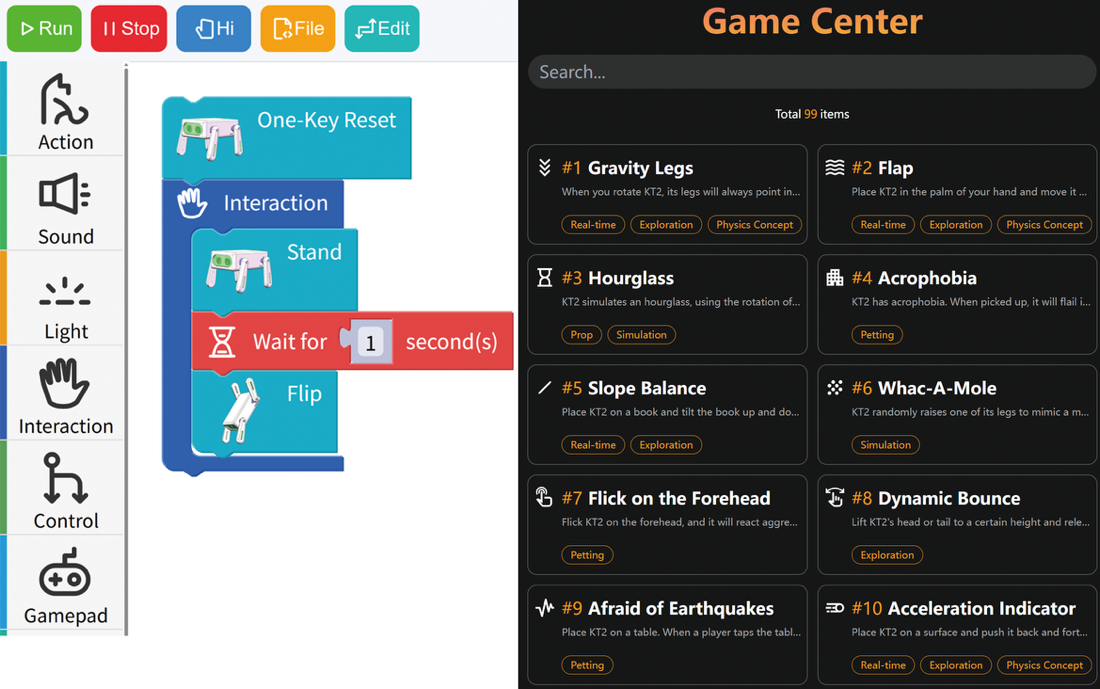
This creates an unusual position in China. Adults may be the main users, but purchases are often framed as gifts for children, according to Wu.
These adult users, in turn, formed Xiaogui’s early community. “They would come to help at exhibitions, and that created a real sense of community,” Wu said.
The Next Move in a Growing Market
Xiaogui had not yet raised external financing. Wu views funding as a tool for growth—and, in some cases, a form of market validation—rather than a standalone measure of success.
“Almost all of our funding has gone into product R&D,” he said, with a smaller share spent on promotion. The company is seeking investor support for its next-generation products and broader market expansion.
Xiaogui updates its hardware and software every three to four months based on market feedback. One major shift replaced autonomous movement with user-controlled play and kung fu-inspired flips. It also plans to add AI capabilities to make the robots feel more lifelike.
With the DIY Version established for maker enthusiasts, Xiaogui’s Gamer Version targets younger users with 99 interactive games. It launched overseas alongside the DIY Version in September and will reach China once sales channels are finalized.
As the category grows, Wu sees competition as both pressure and an advantage, reducing the need to explain the product to consumers. Xiaogui aims to compete through better play experiences while moving from “fun” towards more useful home applications.
From the Greater Bay Area to Global Markets
Xiaogui is targeting developed markets in the U.S., Europe and Japan, and has moved its supply chain to the Greater Bay Area.
Wu said Shenzhen’s network of electronics suppliers and prototype makers lowers the cost of turning ideas into sellable products, while its trade channels help Xiaogui find partners familiar with emerging consumer electronics.
To build links beyond the region, Xiaogui exhibited at the HKTDC Electronics Fair (Autumn Edition) 2026. While Greater Bay Area channels often connect the company with agents and traders, the fair gave it direct access to overseas buyers and potential commercial partners.
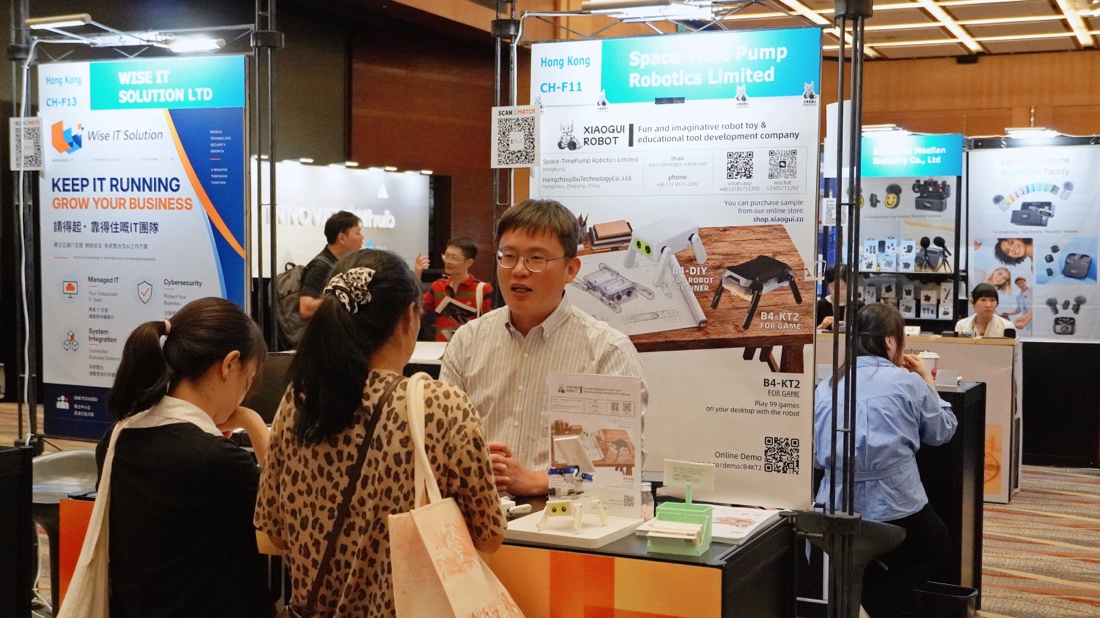
“Our aim at the HKTDC fair was to reach buyers, and we achieved it,” Wu said.
The event drew interest from visitors in Japan, South Korea and Germany, according to Wu, exceeding the company’s expectations for a nearby and relatively affordable entry point into international markets.