

In 2026, the dominant design philosophy in enterprise AI is frictionless automation. The ideal workflow is one where a request enters the system, AI processes it, and the outcome materializes without human intervention. Customer support tickets resolve themselves. Code deploys automatically. Financial reports generate overnight. The pitch is irresistible: lower costs, faster execution, elimination of human error. Companies are spending billions to remove humans from loops they once considered essential.
But beneath the efficiency gains, a quieter crisis is emerging. Automation bias—the tendency to over-trust machine outputs and under-question their validity—is creeping into organizations at every level. It’s not a bug of poorly designed systems. It’s a predictable psychological response to well-designed ones. The smoother the automation, the less likely humans are to intervene when things go wrong. And in complex, high-stakes environments, things always go wrong eventually.
The problem isn’t that AI makes mistakes. It’s that AI makes plausible mistakes—confident, well-formatted, contextually appropriate errors that slip past the very oversight mechanisms meant to catch them. A marketing team accepts an AI-generated campaign strategy because it reads fluently, missing that it misinterprets the target demographic. A doctor approves an AI-suggested diagnosis because it aligns with surface symptoms, overlooking the subtle contradiction in patient history. A financial analyst signs off on AI-produced risk models because the math looks rigorous, not recognizing that the underlying assumptions were trained on outdated data. In each case, the automation didn’t fail loudly. It failed quietly, and human judgment was too trusting to notice.
Why Frictionless Systems Fail Silently
Automation bias has been studied for decades in aviation and medicine, where autopilot systems and clinical decision support tools created similar dynamics. Pilots who rarely hand-fly aircraft lose proficiency and situational awareness. Doctors who defer to diagnostic algorithms stop building the pattern-recognition skills that would let them spot algorithmic errors. The research is consistent: the more reliable a system appears, the more cognitive offloading occurs, and the more catastrophic the failures become when they finally happen.
Enterprise AI is repeating this pattern at scale, but with a critical difference. Aviation autopilots operate in heavily regulated environments with mandatory human oversight protocols, recurrent training requirements, and black-box accountability. Corporate AI workflows have none of these safeguards. A startup’s customer service bot can make hundreds of incorrect refund decisions before anyone notices the pattern. An AI-powered recruiting tool can systematically downgrade qualified candidates for months because its training data encoded subtle biases that no one thought to audit.
The cost of these silent failures compounds. Each unchallenged AI output trains the organization to trust more deeply. Each intervention avoided saves a few minutes of human labor and costs an increment of critical judgment. By the time a catastrophic error surfaces—a wrongful termination, a regulatory violation, a public customer relations disaster—the organizational capacity to catch such errors has already atrophied.
The Case for Human Friction
The solution isn’t to abandon AI automation. It’s to intentionally design human friction into workflows—not as inefficiency to be eliminated, but as a structural safeguard against automation bias. Human friction means deliberate checkpoints where a person must engage with, question, or validate an AI output before it becomes consequential action.
This isn’t the same as human-in-the-loop theater, where a junior employee clicks “approve” on a hundred AI recommendations per hour without genuine review. Effective friction requires three elements: cognitive engagement (the reviewer must actually understand and evaluate the output), authority (they must have power to override or modify), and accountability (their decisions are traceable and consequential). Without all three, friction becomes ritual, not protection.
Consider the difference. A content moderation system that flags posts for AI review and auto-publishes unless a human clicks “reject” creates theater. The human is a speed bump, not a gatekeeper. A system that requires a trained moderator to articulate why a flagged post should be published, with that reasoning logged and periodically audited, creates genuine friction. The human must think, justify, and own the decision. The process is slower. It’s also more reliable.
Designing Friction That Sticks
Implementing human friction requires fighting organizational pressure toward ever-greater automation. CFOs see labor costs. Product managers see user experience friction. Engineers see elegant solutions compromised by clunky manual steps. The business case for friction must be made explicitly and repeatedly.
Smart companies are finding ways to make friction sustainable. Some use stochastic checkpoints—randomly sampling a percentage of AI outputs for deep human review rather than reviewing everything superficially. This maintains unpredictability, which research shows reduces automation bias more effectively than predictable review schedules. Others implement adversarial review, where a second AI system is tasked specifically with finding flaws in the first system’s outputs, and a human adjudicates disagreements. This creates productive tension without requiring humans to evaluate every output from scratch.
The most sophisticated approach is progressive automation—starting with heavy human oversight, measuring error rates and intervention patterns, and only gradually expanding automation scope as genuine reliability is proven. This inverts the typical enterprise AI deployment, which rushes to full automation and adds oversight only after failures occur.
The Competitive Advantage of Skepticism
Organizations that master human friction will develop durable advantages. They’ll avoid the catastrophic errors that destroy trust and trigger regulatory backlash. They’ll maintain the human judgment capabilities that become scarce as competitors atrophy theirs. And they’ll be better positioned to adopt next-generation AI systems, because their oversight infrastructure and evaluative culture transfer across technologies.
The irony is that the companies most aggressive about removing human friction today are often the ones most vulnerable to its absence. Startups with limited resources see automation as a force multiplier and human oversight as unaffordable luxury. But the cost of a single major AI failure—regulatory fine, customer exodus, reputational damage—exceeds the savings from years of frictionless operation.
The attention economy taught platforms to optimize for engagement at any cost. The interaction economy is learning to optimize for meaningful participation. Similarly, the automation economy must learn that not all friction is waste. Some friction is the texture of responsible judgment. The companies that design it intentionally, rather than eliminating it reflexively, will be the ones that survive the inevitable reckoning when AI’s confident errors finally meet consequences they can’t automate away.
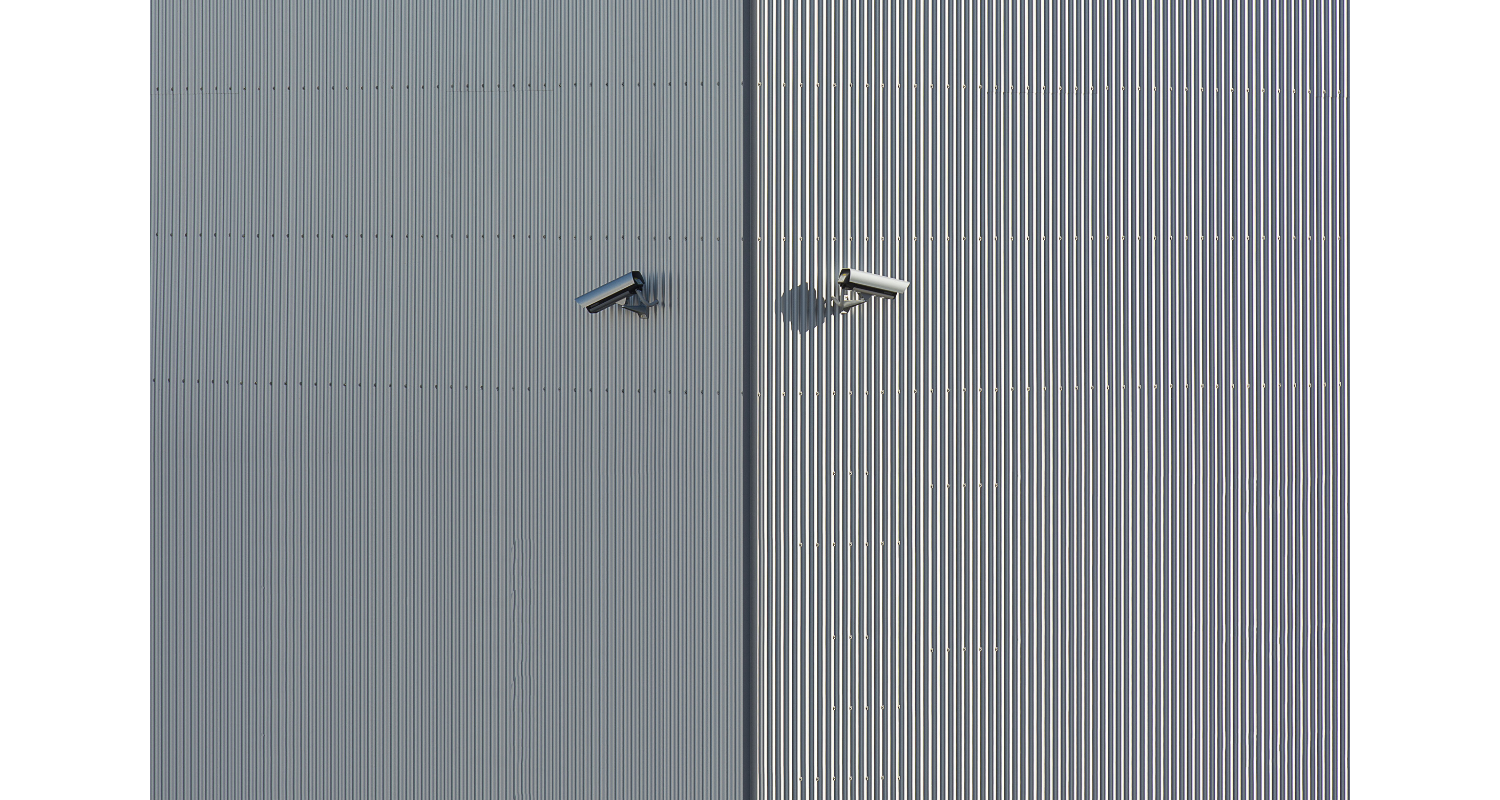
Header image from Pexels