

These two cloning methods serve different purposes and procecures.
Cloning is a hot topic in big-box sci-fi movies like Surrogates and The Island. In these fictional tales, creating a clone seems almost too easy—often just a press of a button away. However, the reality of cloning is far more complex and nuanced than cinema would have you believe. Not only is the science involved intricate, but the idea of replicating a human or an animal also stirs up intense ethical debates.
Typically, cloning branches into two main types: therapeutic and reproductive, each with unique purposes, techniques and ethical discussions. In this article, let’s dive into these two forms and explore how they differ.
Reproductive cloning: Creating a living organism

Image by macrovector on Freepik
Reproductive cloning aims to create an entire organism that is genetically identical to the donor organism. Here’s how it’s done:
- Nucleus transfer: A nucleus from a donor’s somatic cell (any body cell other than sperm or egg cells) is transferred into an egg cell that has had its nucleus removed. This technique is known as somatic cell nuclear transfer (SCNT).
- Embryo development: The modified egg cell, now containing the donor’s DNA, is stimulated to divide and develop into an embryo. This is typically done using electrical or chemical stimulation.
- Implantation: The embryo is then implanted into the uterus of a surrogate mother, where it can develop into a full organism.
The most well-known example of reproductive cloning is Dolly the Sheep, the first mammal cloned from an adult somatic cell in 1996. Since then, a variety of animals, including mice, cats, dogs and horses, have been successfully cloned.
While human reproductive cloning is banned in 46 countries, the United States has a more nuanced stance. There isn’t a federal law explicitly banning the practice, and regulations mainly cover funding and related issues. Moreover, state laws on this matter vary, with some states prohibiting certain cloning activities while others permit them.
Therapeutic cloning: Regenerating tissues and organs
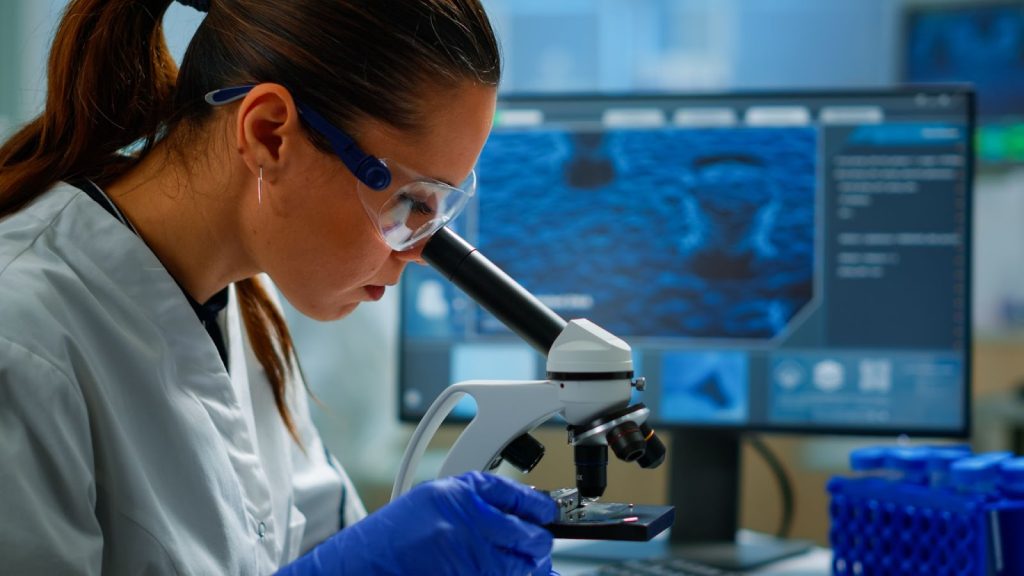
Image by DC Studio on Freepik
Therapeutic cloning, also known as somatic cell nuclear transfer for regenerative medicine, doesn’t aim to create a complete organism. Instead, it focuses on generating embryonic stem cells for medical applications. The initial steps are similar to those of reproductive cloning up to the embryo development stage but then take a different path:
- Nucleus transfer and embryo development: Similar to reproductive cloning, a nucleus from a patient’s somatic cell is transferred to an enucleated egg cell, which is then stimulated to develop into a blastocyst, an early-stage embryo.
- Stem cell extraction: Stem cells are extracted from the blastocyst, which is subsequently destroyed.
The key difference in therapeutic cloning lies in the fact that the cloned embryo is not implanted into a surrogate uterus to develop into a full organism. Instead, the derived embryonic stem cells are extracted and used for medical interventions, such as regenerating damaged tissues or organs. This approach could potentially offer new remedies for diseases like Parkinson’s disease, diabetes and heart disease.
Research into therapeutic cloning for medical applications is ongoing, and there have been several successful experiments in therapeutic cloning for regenerative medicine:
- In 2013, researchers at the Oregon Health & Science University made headlines as the first to create embryonic stem cells from adult human cells using SCNT.
- In 2014, a team of scientists at the New York Stem Cell Foundation advanced the technology by creating patient-specific embryonic stem cells from the skin cells of a woman with type 1 diabetes.
According to a report from ResearchAndMarket.com, the global stem cell therapy market is expected to grow from US$10.67 billion in 2021 to US$21.71 billion by 2026, expanding at a compound annual growth rate (CAGR) of 15.3%. This growth is largely driven by the increasing use of therapeutic cloning techniques to create personalized stem cell-based therapies.
These developments in therapeutic cloning technology highlight the transformative potential of therapeutic cloning in the realm of regenerative medicine, promising not only to treat but potentially reverse the effects of many diseases.
Ethical considerations
While the scientific potential of cloning is exciting, it has also stirred up significant ethical debates. Reproductive cloning, in particular, presents high risks of abnormalities and birth defects. Even as safety measures improve, concerns linger about the unknown long-term consequences. Additionally, the potential for eugenic or discriminatory practices raises ethical flags. The idea of creating embryos specifically for reproduction touches on fears of commodifying human life and trivializing the act of procreation.
In the realm of therapeutic cloning, the main controversy revolves around the creation and subsequent destruction of embryos. Some view this as a profound disrespect for human life, despite the fact that these embryos are never intended for implantation. There’s also the concern that allowing therapeutic cloning could be abused and pave the way for reproductive cloning, given the similarities in the initial stages of both processes.
In response to these ethical dilemmas, researchers are exploring alternatives, like induced pluripotent stem cells (iPSCs). These cells, derived from adult cells, offer a promising workaround as they do not involve the use of embryos. Moreover, the cloning sector is actively refining its ethical guidelines and regulations. Ongoing discussions aim to ensure that cloning research is conducted with the highest responsibility and transparency, respecting both scientific integrity and societal values.
Conclusion
While reproductive and therapeutic cloning may appear similar at first glance, they fundamentally differ in both purpose and methodology. Reproductive cloning is all about creating a genetically identical organism, essentially a clone. On the other hand, therapeutic cloning is focused on generating stem cells for medical treatments, without the intention of producing a complete organism.
As research in this fascinating field progresses, staying informed and engaging in thoughtful discussions becomes crucial. This is particularly true when considering the ethical implications and potential applications of these advanced scientific techniques. By maintaining an ongoing dialogue, we can better understand and navigate the complexities and promises that cloning presents in modern medicine and beyond.
Also read:
- Elon Musk’s Neuralink Debuts Brain Chip Implant: A Bold Future with Ethical Questions
- Should We Worry About Cyborgs? Navigating the Ethical Quagmire
- What Is Neuralink? The Ethics of Elon Musk’s Brain Chip
Header Image from CoPilot AI