


Dress up in the digital age—where fashion clicks with technology.
Fashion and technology have always gone hand in hand. Throughout history, from the invention of the sewing machine that revolutionized garment production to the introduction of synthetic fabrics that transformed clothing textures and durability, technology has continuously shaped fashion.
Today, as we navigate deeper into the digital age, the intersection of fashion and technology is evolving more dynamically than ever. Cutting-edge technologies like artificial intelligence (AI), blockchain and 3D printing are unlocking new possibilities that span the entire fashion industry—design, manufacturing, marketing and sales are all being transformed. Let’s explore how these advancements are revolutionizing the fashion industry.
1. Virtual fitting room
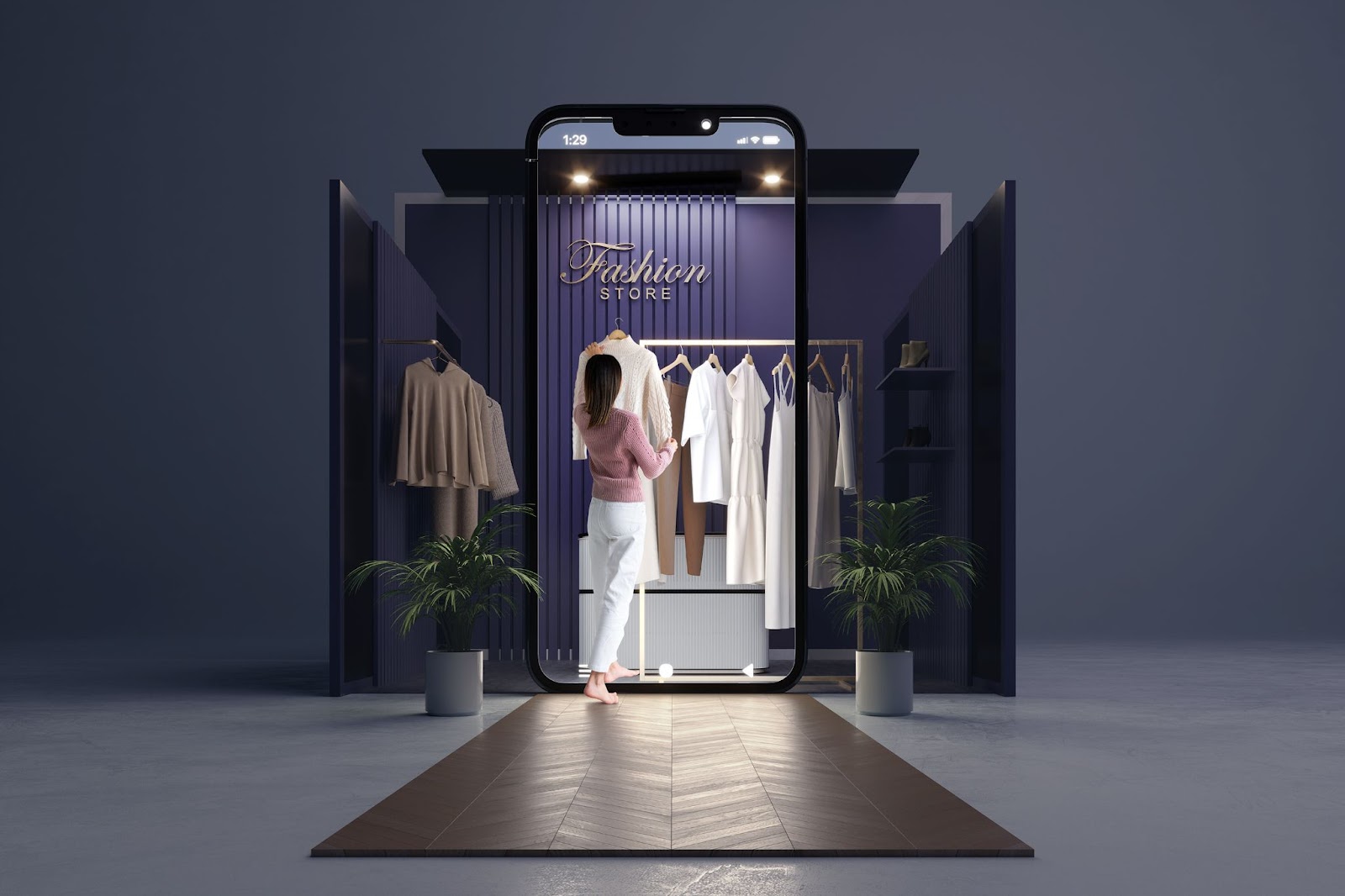
Try on without trying out.
Image from Freepik
Have you ever wished you could try on clothes or glasses without having to visit a store? Thanks to augmented reality (AR) technology, brands like Warby Parker, Gucci and ASOS are making this futuristic shopping experience a reality. Customers can now see themselves wearing glasses or outfits on their devices with astonishing precision.
The mechanism behind this technology is pretty straightforward. Brands use AR technology to create realistic simulations of how glasses and clothes will look on you. When you use these services, your device’s camera captures your image in real time. Then, AR software processes this image, overlaying digital models of glasses or clothing onto your likeness on the screen. This allows you to see yourself wearing different products just as you would look in a mirror.
Gucci’s virtual shoe try-on app is a prime example. It allows you to place your feet within a digital frame and instantly see how different shoes would look on you. The app not only simulates the appearance but enriches the experience with realistic textures and lighting effects, mirroring an in-person shopping experience.
AR in virtual fitting rooms bridges the gap between the convenience of e-commerce and the confidence that comes with in-store shopping. With less guesswork, it can also help with reducing waste by avoiding ordering the wrong sizes or making returns.
2. Customization made simple
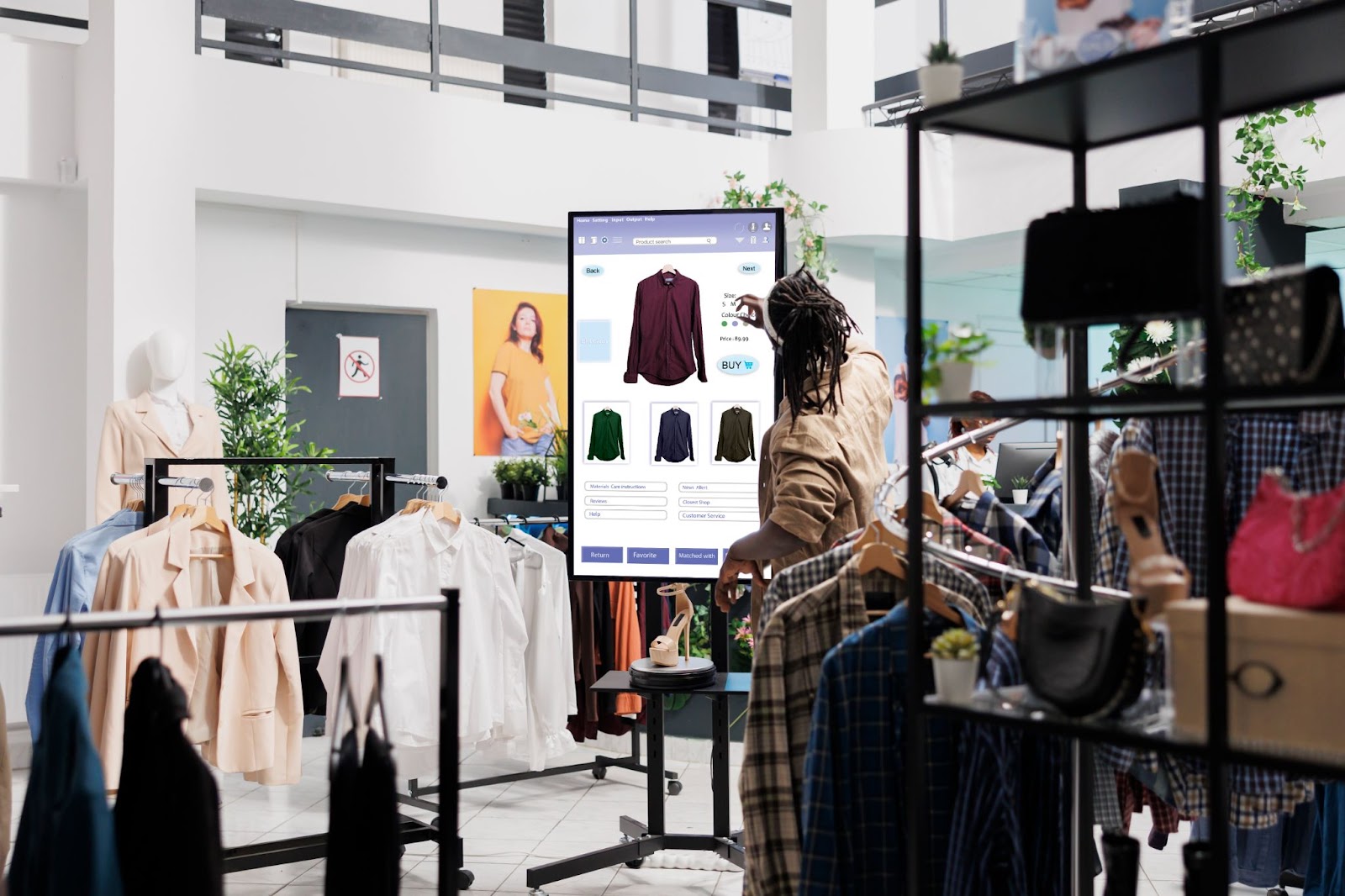
Tailor your style effortlessly.
Image by DC Studio via Freepik
Personalization is no longer just about choosing colors or patterns. Now, it’s all about a fully interactive design experience where your choices directly influence the final product. Bespoke tailoring, once a privilege for the elite, has been democratized thanks to advances in technology.
Services like iTailor are leading this revolution by using hyperrealistic 3D models. These models offer a complete view of how custom shirts, suits and shoes will look, allowing you to make detailed selections— down to the style of your shirt’s buttons and the color of the thread.
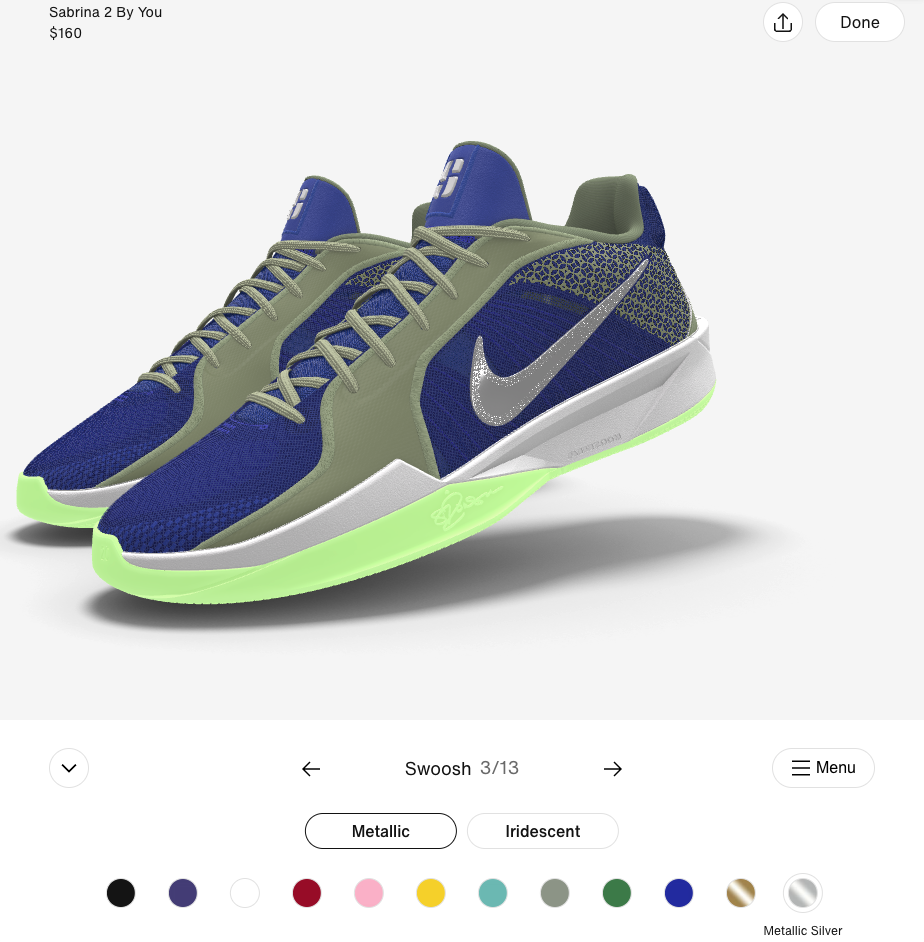
Screenshot of the Nike By You platform
Another example of customizable fashion is the Nike By You platform. It allows customers to design shoes with extraordinary precision. You can select and tweak the color and design of various components of your sneakers, including the base, heel, outsole and even the iconic Nike swoosh. s you customize, you can manipulate photorealistic 3D models of your sneakers, rotating them 360 degrees and zooming in or out to inspect every angle.
These advancements ensure that the product you envision is exactly what you receive, truly bringing your unique style vision to life. Through the use of hyper-realistic 3D modeling, the barrier between imagination and reality in fashion has never been thinner.
3. Marketing engagement
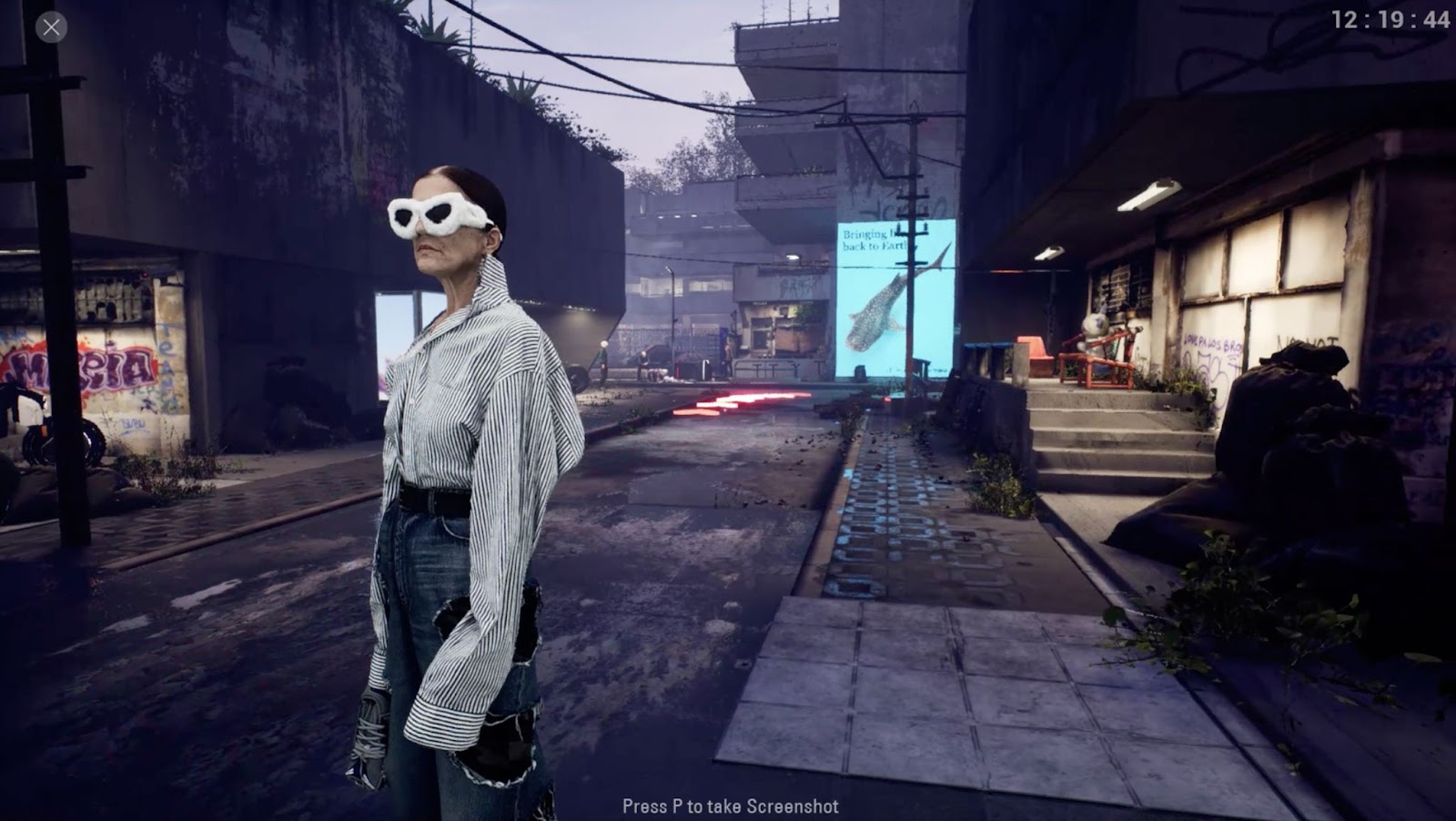
Connect with brands like never before.
Image from Dezeen
Interactive marketing campaigns are transforming the way we engage with fashion brands. Using immersive experiences powered by AR and virtual reality (VR), fashion brands are now connecting with consumers far beyond traditional static images and runway shows, inviting them into a dynamic, interactive space.
For instance, luxury fashion house Balenciaga launched a video game, “Afterworld: The Age of Tomorrow”, to showcase their Fall 2021 collection. This game provided an immersive experience where users could embark on an adventure in a virtual forest while decked out in Balenciaga’s digital outfits.
In 2019, Louis Vuitton took a similar leap in their collaboration with the popular video game “League of Legends”. The partnership saw the creation of exclusive character skins, merging the high-fashion world with the dynamic universe of gaming.
This campaign successfully bridged the gap between the physical and digital realms, capturing the attention of millions around the globe—both gamers and fashion aficionados. These innovative marketing strategies not only captivate audiences but also forge a deeper, more interactive relationship between brands and their followers.
4. Inclusion of NFT

Wearable art in the digital age.
Image from Kivisense
The concept of owning exclusive fashion items has transcended the physical world with the rise of non-fungible tokens (NFTs). These digital assets represent ownership of unique items that can be both worn and traded in virtual environments.
For instance, launched in 2020, RTFKT Studios sold a line of physical sneakers, each paired with their virtual counterpart as an NFT. Impressively, the entire collection sold out within just seven minutes, generating a whopping US$3.1 million in sales.
Following suit, Adidas entered the scene in 2021 with its “Into the Metaverse” collection, offering limited edition digital street fashion items as NFTs priced at 0.2 ETH (about US$699 now). Owners of these NFTs gained access to an exclusive fan club, where they could purchase special merchandise. In a similar vein, in 2022, Nike introduced its first line of virtual sneakers called “Cryptokicks”. This series included 20,000 NFTs, with one standout pair designed by acclaimed artist Takashi Murakami fetching US$134,000.
This speaks to a new era of digital ownership and investment in fashion. With NFTs, exclusivity and value are no longer tied solely to the physical. They are opening up new possibilities for how we perceive and interact with fashion in a digital landscape.
5. Fashion in gaming
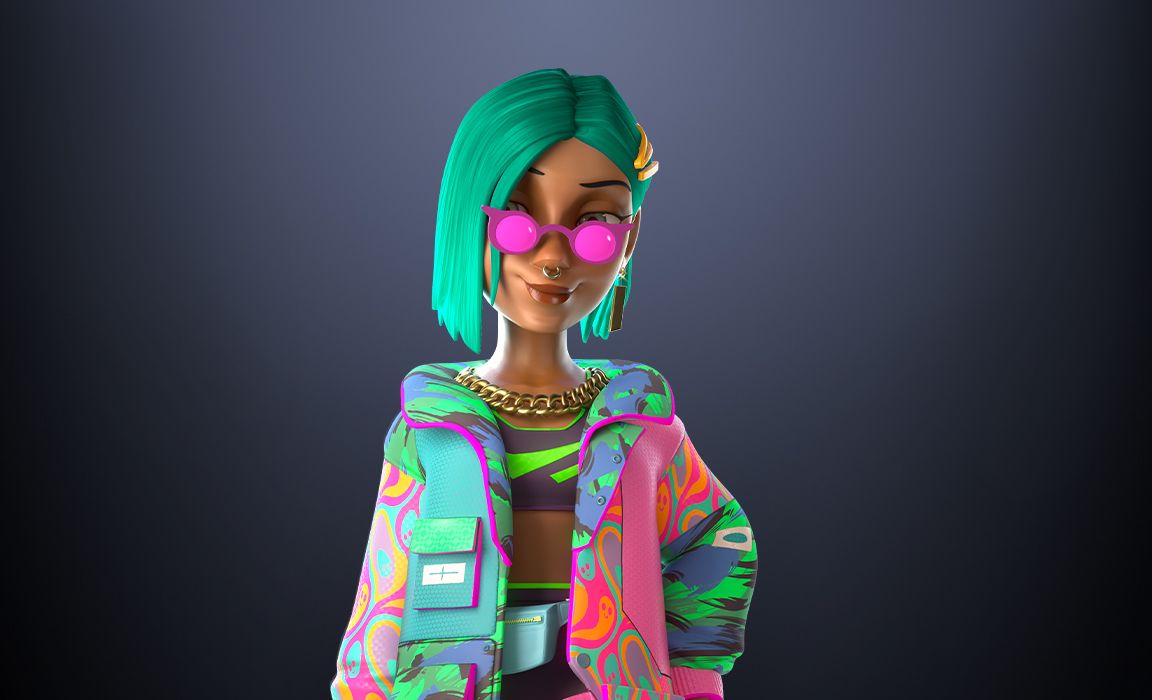
Level up your style while gaming too.
Image from Muse by Clio
Gaming isn’t always just about quests and battles; it’s becoming a runway for high fashion too. For instance, the beloved cozy game Animal Crossing: New Horizons became an unexpected fashion hub during the pandemic, with luxury brands like Marc Jacobs and Valentino seizing the opportunity to release exclusive in-game clothing items.
Another example is Fortnite’s collaboration with luxury brand Ralph Lauren. This partnership brought high-end fashion into the battle royale environment, where players can dress up their characters in stylish, Ralph Lauren-designed gear.
For many players, these virtual spaces are where they first encounter and interact with high fashion. This blending of realms reflects the ever-growing connection between gaming and fashion, as virtual garments become as sought-after as their real-world counterparts.
6. Runaway shows in digital spaces

Runway shows go virtual for global audiences.
Image from The Voice of Fashion
Fashion events are no longer bound by physical stages. They’ve gone digital, reaching global audiences from the comfort of their homes.
One example is the black luxury fashion brand Hanifa’s 3D virtual runway show in 2020. This show featured its Pink Label Congo collection and went viral. Instead of traditional models, the garments were displayed on ghost-like figures that glided down the virtual runway, creating a haunting yet mesmerizing spectacle.
Concluding thoughts
The digitization of the fashion industry is signifying a profound cultural shift. It’s changing how consumers interact with fashion—from =trying on and purchasing clothes to engaging with brands via social media and other digital platforms. The above-mentioned examples illustrate the vast potential of these technologies, which provide personalized, interactive and sustainable options that cater to digital natives.
Also read:
- AI-Generated Fashion Models: A Glimpse into the Future of the Runway?
- The 3D Printing Revolution: Transforming Manufacturing, Aerospace and Fashion
- LG’s AI Artist Tilda: How Can Tilda Collaborate with Humans to Promote Fashion Sustainability?
Header Image from Flickr