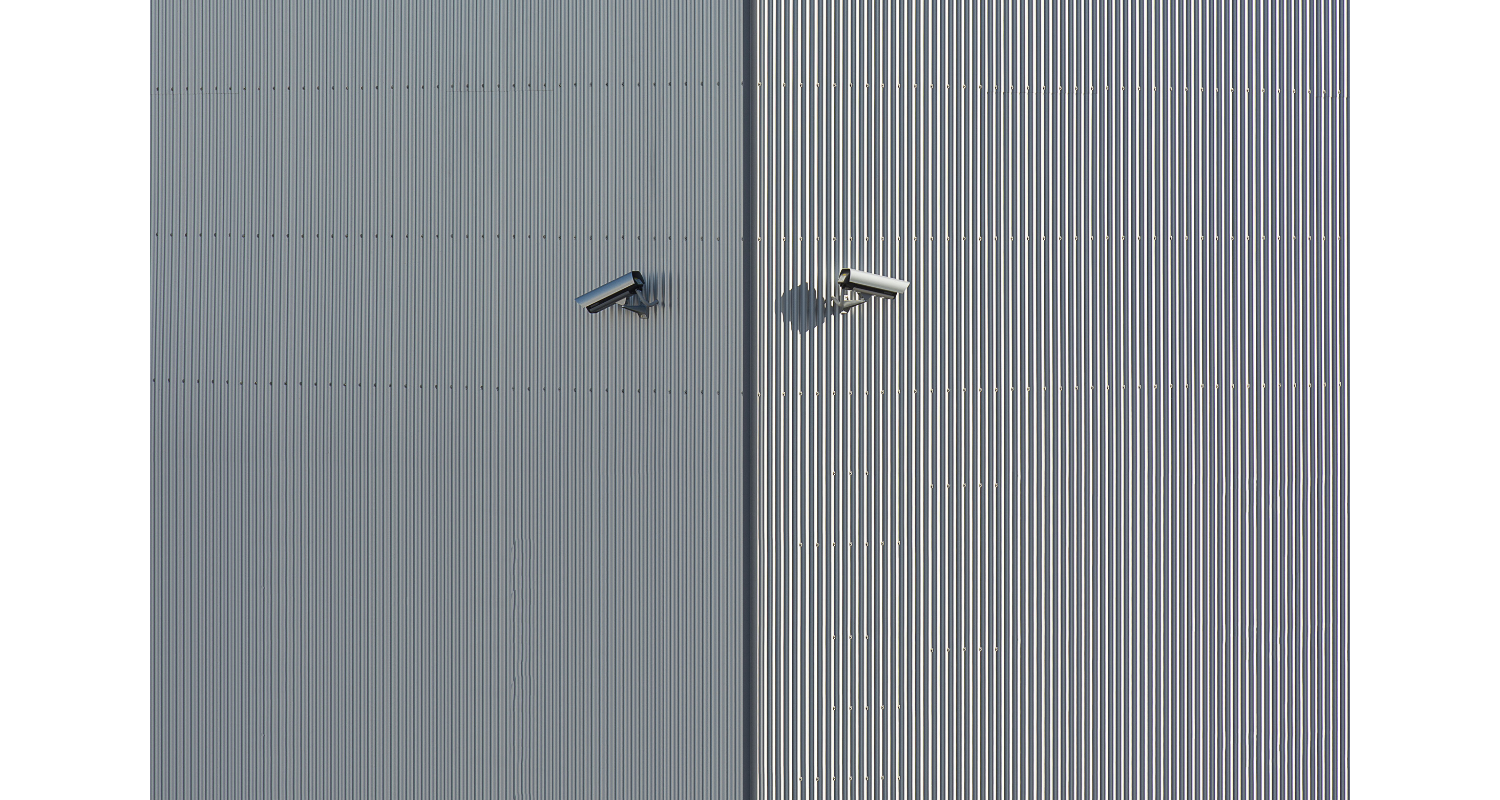


The next world war might never fire a bullet—but it can still change everything.
In today’s interconnected world, conflict no longer waits for tanks to roll or jets to scramble—it can begin with just a keystroke. Since NATO declared cyberspace the fifth domain of war in 2016, every major power has poured money and talent into offensive and defensive cyber operations. The result is a new kind of battlefield—one that can switch off lights, hijack conversations and drain bank accounts before a single shot is fired.
What is cyberwarfare?
Cyberwarfare is the deliberate use of malicious code, network intrusions and online influence operations to gain military or political advantage. These digital weapons need no warehouse or runway; they travel at the speed of the internet. A handful of operators with laptops can steal classified files, jam 911 dispatchers or upload a fake video that flips an election narrative in minutes. Because the entry cost is so low, state-linked hackers from the United States, China, Russia, Iran and North Korea turn up in almost every major breach report.
Gen. Paul Nakasone, Commander of U.S. Cyber Command, sums up the stakes: “We’re in competition every day… We’ve got to impose costs.” In practice, that means cyberspace is already a live battlefield, contested 24 hours a day. The lesson is clear: if a system is online, someone will try to exploit it.
Why critical infrastructure is a prime cyber target
Daily life rests on critical infrastructure—power grids, water plants, ports, hospitals, finance networks and the cell towers that tie them all together. Take any of those pieces down and chaos follows, as in these instances:
- Energy: Russia’s Sandworm squad hacked the electrical grid across Ukraine in 2015, leaving entire regions in the dark. A follow‑up hit in December 2023 wiped thousands of Kyivstar telecom servers, showing the same playbook still works.
- Ports and pipelines: Ransomware forced Colonial Pipeline to shut petrol flows to the U.S. East Coast in 2021, while an attack on Australia’s DP World terminals in 2023 stalled 40% of national freight for three days.
- Healthcare: February 2024’s Change Healthcare breach froze insurance billing, delaying prescriptions for millions of Americans and exposing sensitive patient data. Similarly, the 2017 WannaCry malware (attributed to North Korean actors) infected dozens of U.K. hospitals, forcing cancellations of medical procedures.
- Water systems: U.S. utility alerts reveal that Iran‑linked “CyberAv3ngers” have slipped into dozens of treatment plants, even tampering with chlorine controls.
Each incident carries a lesson: digital sabotage doesn’t just cut cables—it erodes public trust and forces governments to divert resources from the front line to the home front.
Information warfare, deepfakes and psychological operations
If critical‑infrastructure hacks break bones, information warfare bruises morale. TikTok clips, phony news sites and AI‑generated robocalls all serve the same end: shape how voters, soldiers and markets think.
- Deepfake disinformation: A political consultant in Louisiana was found to have paid US$150 for a voice clone of President Biden to urge New Hampshire Democrats to skip the 2024 primary. Prosecutors pounced, but the stunt showed how cheap synthetic media has become.
- Election meddling: Microsoft’s Threat Analysis Center finds Russian, Chinese and Iranian groups running AI news portals and bot networks ahead of the U.S. 2024 election. Taiwan and India saw similar waves of fake videos—some showing leaders dancing, others peddling outright lies—during their 2024 races.
- Conflict propaganda: During the Israel–Hamas war, photorealistic images of bombed hospitals spread on X and Telegram within minutes of each air‑strike report, many of which were later proven false. Ukraine and Russia trade AI‑generated morale clips almost daily, trying to sway both domestic and foreign audiences.
The reach is global, the cost is low, and fact‑checkers often play catch‑up. For defenders, speed and digital literacy now matter as much as firewalls.
Cyber espionage: The silent data heist
Cyber‑espionage has existed longer than the term “cybersecurity”, yet its scope, speed and payoff keep expanding. Advanced Persistent Threat (APT) groups—state-sponsored or highly organized hacking groups—slip into email servers, cloud dashboards and even software updates, then stay hidden for months while siphoning off sensitive data.
- SolarWinds 2020: Malware hidden in a routine update let Russia’s SVR (Foreign Intelligence Service) spy on U.S. federal agencies and Fortune 500 firms for months.
- Volt Typhoon 2024: A joint Five Eyes intelligence alliance (Australia, Canada, New Zealand, the U.K. and the U.S.) exposed a Chinese state-sponsored APT group quietly “living off the land”—using legitimate, built-in admin tools instead of custom malware to stay hidden—inside American power and telecom networks, allegedly mapping control systems for possible future disruption.
Stolen blueprints, diplomatic cables and zero‑day vulnerabilities are currency in today’s intelligence market. The reality is stark: when secrets travel unprotected, they supercharge an opponent’s war plans, erode economic advantage and can tip the balance in any future crisis.
Cyberwarfare as an asymmetric weapon
One of the most important changes brought by cyberwarfare is the advantage it gives to smaller or less powerful groups. Unlike conventional military power, cyber tools are relatively inexpensive and accessible, so even nations with limited resources (or hacker groups) can develop offensive cyber capabilities.
For instance, North Korea—an isolated, economically small state—has leveraged cyberattacks to great effect against far richer countries. North Korean hackers have stolen hundreds of millions of dollars from global banks and cryptocurrency exchanges and launched disruptive attacks (such as the Sony Pictures hack), all while Pyongyang avoids direct military conflict. Similarly, Iran (a regional middle power) has carried out significant cyber operations like data-wiping attacks on Gulf state oil companies and probes of U.S. infrastructure.
Since digital exploits travel borderlessly, small actors can inflict headline‑grabbing damage without ever facing a tank column in return. That reality forces larger nations to rethink deterrence: How do you retaliate against a country that owns few physical assets you can target without escalating to full‑scale war?
Hybrid warfare: When code meets kinetics
Cyber strikes rarely win a war outright, but they shape the battlefield before the first round is fired. Integrated with land, air and sea operations, digital attacks scramble command networks, clog logistics and rattle civilian morale so that conventional forces face a disoriented opponent.
The Russia-Ukraine war exemplifies this hybrid approach. On the day before Russian troops crossed the border on 24 February 2022, Moscow’s military hackers crippled Viasat satellite modems, blacking out Ukrainian communications and even stalling wind turbines as far away as Germany. Those blows followed weeks of disruptive malware assaults on Kyiv’s ministries, banks and power utilities, softening targets for the kinetic offensive that followed.
Ukraine has answered in kind. Its crowdsourced “IT Army” launches relentless DDoS barrages against Russian government portals and financial platforms while drone strikes ignite fuel depots and ammunition stores. Digital jabs and physical punches land in rapid sequence, each amplifying the other’s effect.
A similar dynamic has played out in the Israel-Hamas fight. The Israel Defense Forces coordinate precision air-to-ground munitions with real-time social-media messaging designed to frame the narrative before the dust settles, showing how influence operations now travel in lockstep with bombs.
Taken together, these cases underscore a simple truth: modern battle plans fuse keyboard and cannon. Every conflict has become a hybrid campaign in which bits pave the way for bullets—and the side that masters both domains gains the decisive edge.
The digital front line: Where we go next
Cyber conflict is no longer a subplot—it is the plot. Ransomware crews, state-sponsored hackers and AI-powered disinformation teams are already battling for advantage in the networks we rely on every day. These digital skirmishes are reshaping national power and public safety in every connected country. The next wave may bring quantum-resistant malware or code nimble enough to jump from data centers to low-Earth-orbit satellites in one hop.
No one can say exactly which weapon will spark the next crisis, but it will likely arrive faster than policymakers can react. Cyberspace offers no ceasefires, only brief lulls before the next breakthrough. If today’s exploits can black out a region in seconds, what might tomorrow’s tools do in the same blink of an eye?
That question hangs over every server room, war room and living room connected to the internet. The answers—and the actors who find them first—will shape the balance of power in ways we’re only beginning to imagine.
Also read:
- 5 Must-Attend Cybersecurity Conferences for Startup Founders in 2025
- The Synergy of Coding and Cybersecurity
- Top 5 AI Cybersecurity Companies to Watch
Header Image by Pixabay