
Social media, a tool designed to connect us, can ironically isolate and disconnect us. Here’s how.
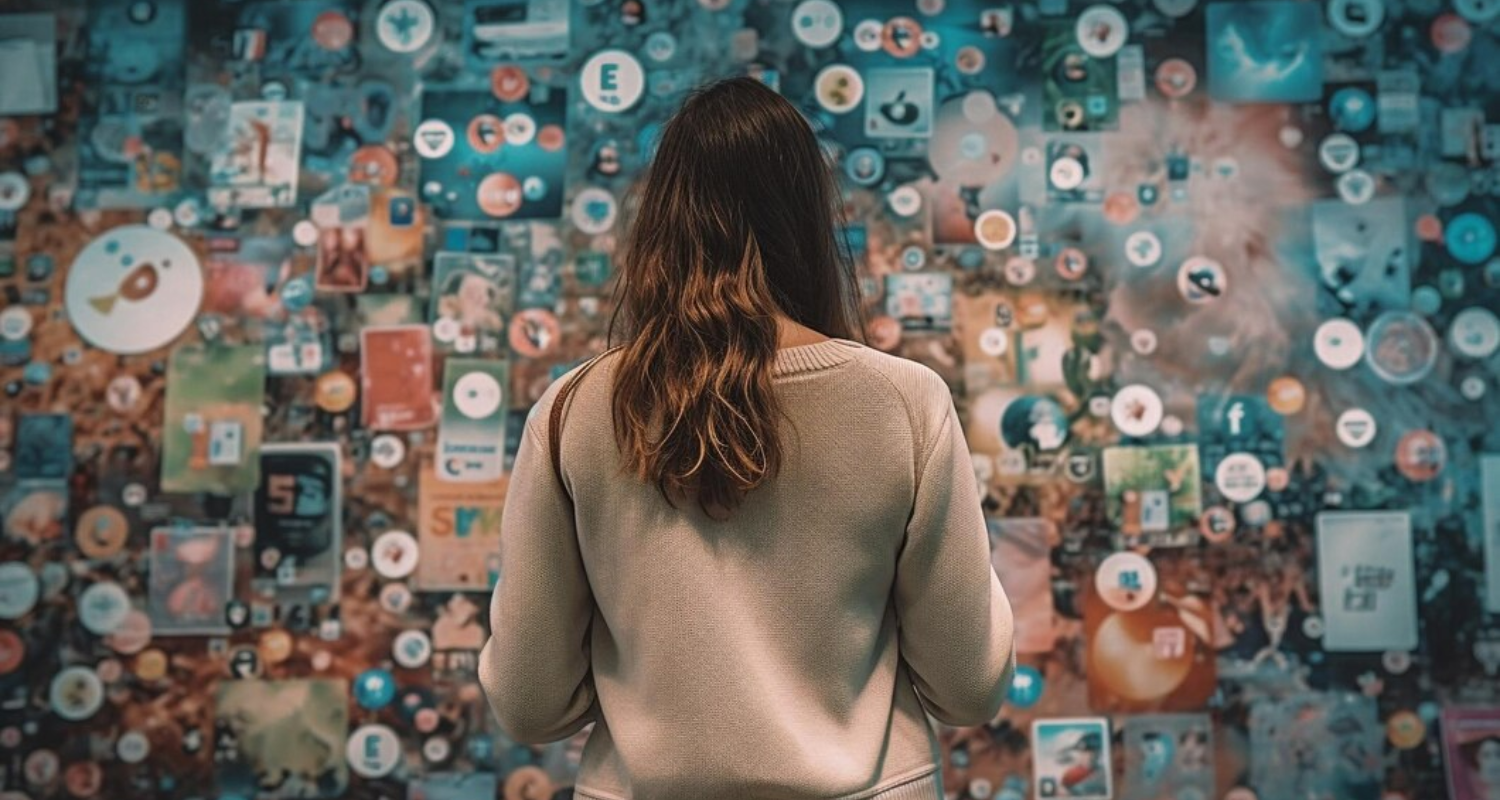
Despite widespread connectivity at our fingertips, a striking sense of personal isolation remains. The social is reshaping human interaction by serving as the backdrop for a series of psychological patterns.
From Popcorn Brain disrupting our focus to the eerie sensations of Phantom Vibration Syndrome and the pervasive impact of Social Media Fatigue, this article delves into the consequences of our online behaviors. We look at how social media influences our mental landscape and the importance of striking a balance in our increasingly screen-centered world.
The Social Media Paradox: Connected online, alone offline

Image from Freepik
The dynamic of how we interact and forge connections has shifted dramatically in the digital era. Long, in-depth conversations are often condensed into emojis, voice notes and abbreviations—a phenomenon encapsulated by the “social media paradox”. This paradox highlights the stark difference in our lives online and offline. Even as individuals find themselves seemingly connected to a larger network online, they are more isolated than ever in the physical world.
While social media, online dating apps and AI companions offer novel ways to combat loneliness, they can sometimes have the opposite effect. Excessive use of social media is linked to increased loneliness, with this isolation raising the risk of premature death by 32%.
In 2023, US Surgeon General Vivek Hallegere Murthy raised the alarm, declaring loneliness a public health concern as serious as smoking 15 cigarettes a day. Notably, young adults between 16 and 2 are especially vulnerable to this modern form of solitude, prompting a review of their digital presence.
The Looking-Glass Self: Others’ perceptions shape your self-view

Image from Freepik
Sociologist Charles Horton Cooley explained the relationship between social interactions and identity through the “looking-glass self” concept. The phenomenon explains that individuals form their self-image based on how others perceive them. Platforms like Facebook, Snapchat and Instagram act as mirrors for people. Here, hundreds of users share their opinions daily, allowing individuals to gauge their worth based on others’ perceptions.
This perception leads to the creation of a “cyber self”—an idealized version of oneself that users present on digital platforms, specifically shaped to meet the expectations of different audiences. For example, an Instagram influencer might share snapshots of gourmet dining, high-end shopping sprees and exotic vacations on social media to project a lavish lifestyle, despite being in debt behind the scenes. An associate professor of clinical psychology at The Chicago School’s L.A. Campus, Dr Ali Jazayeri, explains that people often create a perfect but false identity on social media.
This facade can blur reality, making the virtual world more appealing than the real one and detaching individuals from their true selves and lives. Therefore, users must strike a balance, leveraging social media’s connectivity without losing sight of their real-world presence and priorities.
Phantom Vibration Syndrome: The psychology of imaginary alerts

Image from Freepik
Have you ever felt like your phone was vibrating, only to find out it was all in your head? That’s Phantom Vibration Syndrome, which is typically associated with frequent mobile phone use. A 2018 study published in the Indian Journal of Psychological Medicine suggests that individuals may engage more with their smartphones as a stress management tool, increasing their sensitivity to perceived phone vibrations.
The condition may also be influenced by psychological traits, such as anxiety and behavioral tendencies to avoid certain situations (you might feel like your phone is vibrating during a stressful work meeting). Additionally, environmental factors, such as the anticipation of essential communications or concern over urgent matters requiring immediate attention, may also exacerbate the frequency of experiencing phantom vibrations (maybe you’re anxiously waiting to hear from that job interview!).
This phenomenon underscores the need for awareness regarding the psychological effects of pervasive smartphone use in various contexts and demographics.
Popcorn Brain: How screen time disrupts focus and cognition

Image from Freepik
“Popcorn Brain” is a concept first introduced by David Levy from the University of Washington in 2011. It describes our mind’s tendency to hop from one task to another, similar to how popcorn pops in quick succession. Studies have tracked this phenomenon, revealing that our average attention span while using screens has plummeted from 2.5 minutes in 2004 to just 47 seconds today.
Psychologist Dannielle Haig pinpoints the cause of this phenomenon: the constant access to new content. We scroll and encounter new posts, alerts and ads, which release dopamine, thus rewarding our brains and perpetuating this behavior.
Modern social media, with its bite-sized content (like YouTube Shorts or snappy Instagram Reels), perfectly caters to this attention-hungry mindset. The downside, Haig points out, is that our minds become accustomed to this rapid shifting, leading to mental restlessness and difficulty focusing on single tasks. This can manifest as a profound sense of burnout and being overwhelmed, even by straightforward tasks, because our brains constantly seek new stimuli.
Furthermore, Popcorn Brain can affect more than your immediate focus—it can also impact long-term cognitive development. If your attention is consistently fragmented, it can disrupt the neural pathways in your brain that are essential for learning and memory. Excessive use of social media, particularly in the evenings, can contribute to poor sleep, which may increase the likelihood of stress, anxiety and depression. Furthermore, continuous digital interaction can lead to a sense of isolation, weaken social connections and reduce emotional resilience.
Social Media Fatigue: The cost of constant connectivity

Image from Freepik
Social media fatigue emerges as users become overwhelmed by the constant desire to stay engaged online. This results in emotional drain, mental burnout and physical symptoms like headaches and eye strain.
The crux of the issue is the relentless bombardment of information, which can overwhelm us and maybe even result in doom scrolling. Symptoms of this fatigue include anxiety, a diminished interest in social media and physical discomfort.
Despite its drawbacks, the pervasive nature of social media in our personal and professional lives makes it challenging to disconnect entirely. Addressing this fatigue necessitates a mindful approach to usage, seeking a healthy equilibrium that allows for connectivity without compromising well-being.
Conclusion
Practice mindful engagement to ensure social media enhances rather than hinders our social interactions. You can set timers for your social media usage; for instance, Instagram lets you set daily time limits for usage using the app itself. You must also prioritize real-life connections and relationships and undertake digital detoxes occasionally. You can also seek professional help if needed, ensuring that technology serves as a bridge, not a barrier, to genuine human connection and well-being.
Also read:
- From Spotify Wrapped to Tinder Swipes: The Trends that Dominated 2023
- 7 Must-Have Tools for Social Media Managers in 2022
- How to Use Social Media to Drive Real Estate Sales
Header Image from Freepik