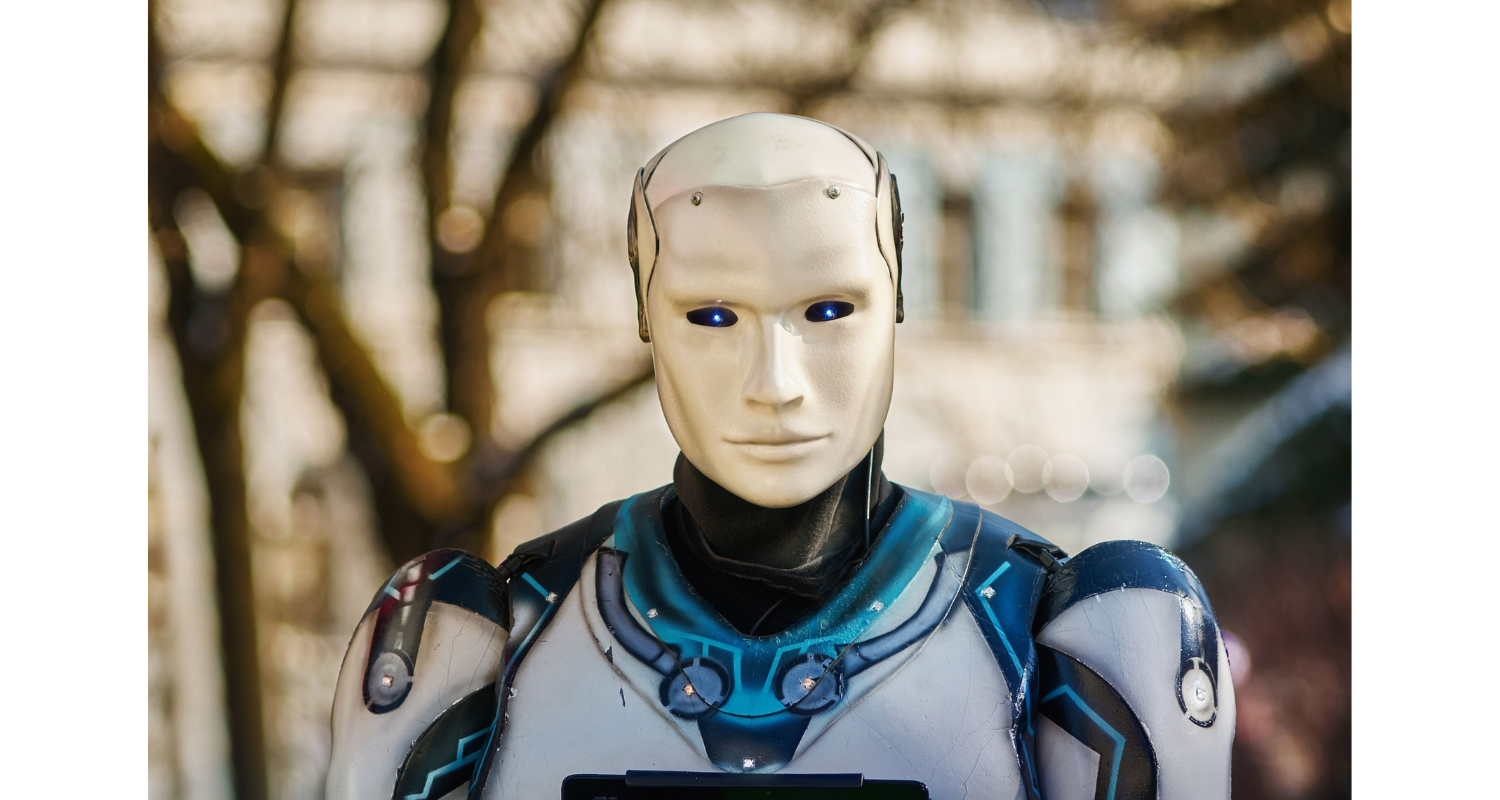

For decades, humanoid robots inhabited the comfortable realm of speculation. They walked across TED stages, fell over in viral videos, and starred in concept films about futures that never quite arrived. The difference in 2026 is that they are now clocking in. Figure AI’s units are moving inventory in logistics facilities. Tesla’s Optimus prototypes are handling material transport on factory floors. Agility Robotics’ Digit is stacking shelves in warehouses. The transition from laboratory curiosity to operational asset is no longer projected. It is happening, and it is forcing a recalculation of what work means, what workers do, and what economies can become.
The deployment is still narrow. These are not general-purpose assistants wandering office corridors. They are single-task specialists operating in controlled environments where repetition, physicality, and predictability dominate. But the trajectory is unmistakable. Each quarter expands the task envelope. Each hardware iteration improves reliability. The question is no longer whether humanoid robots will enter the workforce at scale. It is how quickly, in what sequence, and with what consequences for the humans they work alongside.
Why Humanoid Form Factor Matters
Engineers have long debated whether humanoid design is optimal or merely anthropomorphic vanity. Wheels are more efficient than legs for flat surfaces. Specialized arms outperform general-purpose manipulators for narrow tasks. Yet the humanoid form persists for reasons that transcend engineering elegance.
The built world is designed for humans. Doorways, staircases, shelves, tools, control panels—all assume a bipedal operator with two arms, dexterous fingers, and a field of vision roughly five to six feet from the ground. A robot shaped like a human can navigate spaces without retrofitting infrastructure. It can use existing equipment without custom interfaces. It can be trained by demonstration, with human workers showing it what to do through physical mimicry rather than complex programming.
This compatibility advantage accelerates deployment in legacy environments. Retrofitting a warehouse for autonomous mobile robots requires aisle widening, floor flattening, and navigation beacon installation. A humanoid robot walks into the same space and operates immediately. The total cost of adoption drops dramatically when the machine adapts to the environment rather than demanding the environment adapt to it.
The Workforce Interface
The most immediate challenge is not technical performance but social integration. Human workers do not yet know how to relate to humanoid colleagues. Should they issue commands conversationally or through structured interfaces? What authority does a robot have to stop a human operation for safety reasons? How is credit distributed when human-robot teams achieve output targets?
Early deployments reveal friction. Workers anthropomorphize naturally, assigning intent and emotion to mechanical movements. A robot that pauses unexpectedly is interpreted as confused or resistant. A robot that moves efficiently is perceived as threatening. These reactions are not irrational. They reflect genuine uncertainty about status, role, and future security.
The companies managing these transitions successfully are investing heavily in interface design—not just technical interfaces, but social ones. They assign humanoid robots names and consistent shift schedules. They train workers in collaborative protocols rather than treating robots as black-box intrusions. They celebrate team achievements that include robotic contribution without overstating capability. The goal is neither to disguise the machine as human nor to emphasize its otherness, but to establish a stable category of colleague that is neither.
The Economic Recalculation
Humanoid robots are forcing a fundamental reassessment of labor economics. Traditional automation substituted capital for labor in specific tasks, creating clear boundaries between what machines did and what humans retained. Humanoid robots blur these boundaries. They do not replace a single task. They replace task flexibility—the human capacity to switch between activities, adapt to variation, and handle exceptions.
This has unsettling implications for labor markets. The workers most exposed are not those performing the most routine tasks, but those whose value proposition is general adaptability within a physical environment. Warehouse associates who move between picking, packing, and cleaning. Maintenance technicians who handle diverse equipment issues. Nurses who combine patient interaction with physical logistics. These roles resist full automation because they are too variable for single-purpose machines, yet humanoid robots are specifically designed to absorb exactly this variability.
The counterargument is that humanoid robots will augment rather than replace, handling physically demanding or hazardous tasks while humans focus on judgment, creativity, and interpersonal interaction. This is plausible in some contexts. But history suggests augmentation narratives often precede replacement realities, particularly when capital costs fall and capability thresholds rise.
The Regulatory Vacuum
No regulatory framework adequately addresses humanoid robot deployment. Existing workplace safety standards assume clear separation between humans and machines. Liability frameworks struggle to assign responsibility when autonomous systems make decisions in real time. Labor laws do not recognize a category of worker that is neither employee nor traditional capital equipment.
Governments are moving slowly, and the gap is being filled by corporate self-regulation. This creates competitive dynamics where standards vary by employer, sector, and geography. Companies with strong safety cultures and transparent reporting may find themselves at cost disadvantage against less scrupulous competitors. The race to deploy could become a race to the bottom unless regulatory clarity emerges quickly.
The Uncomfortable Future
Humanoid robots entering the workforce is not a single event but a gradual infiltration that will reshape employment, urban design, and social organization over decades. The robots of 2026 are limited, expensive, and occasionally clumsy. They are also improving faster than organizational capacity to absorb them thoughtfully.
The founders, policymakers, and workers who navigate this transition successfully will be those who resist both techno-utopianism and reflexive resistance. The question is not whether to welcome or reject humanoid colleagues. It is how to structure their introduction so that productivity gains translate into broadly distributed benefits rather than concentrated returns. The workforce is changing shape. Whether it changes fairly depends on choices made now, while the robots are still learning to walk.
Header image from Pexels